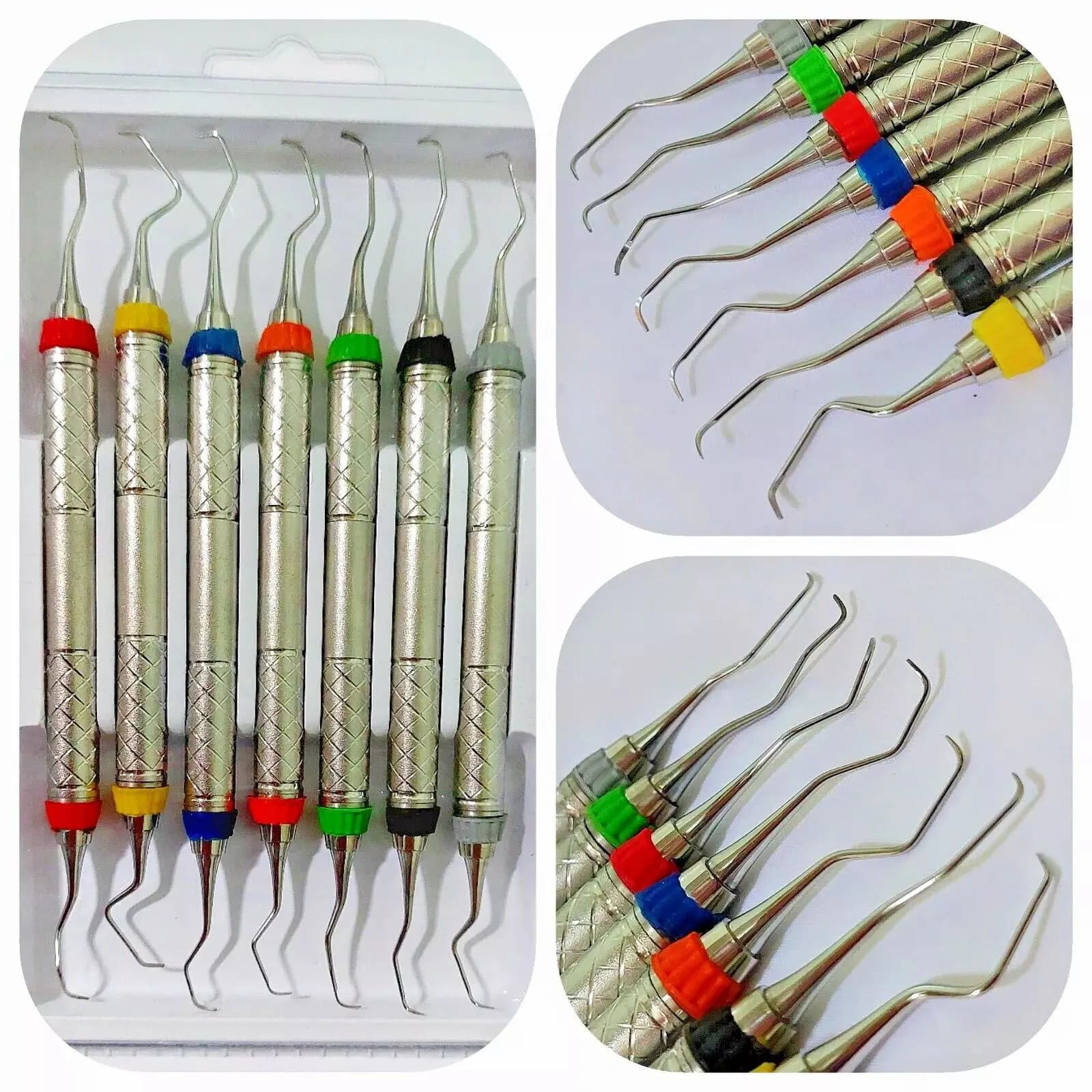
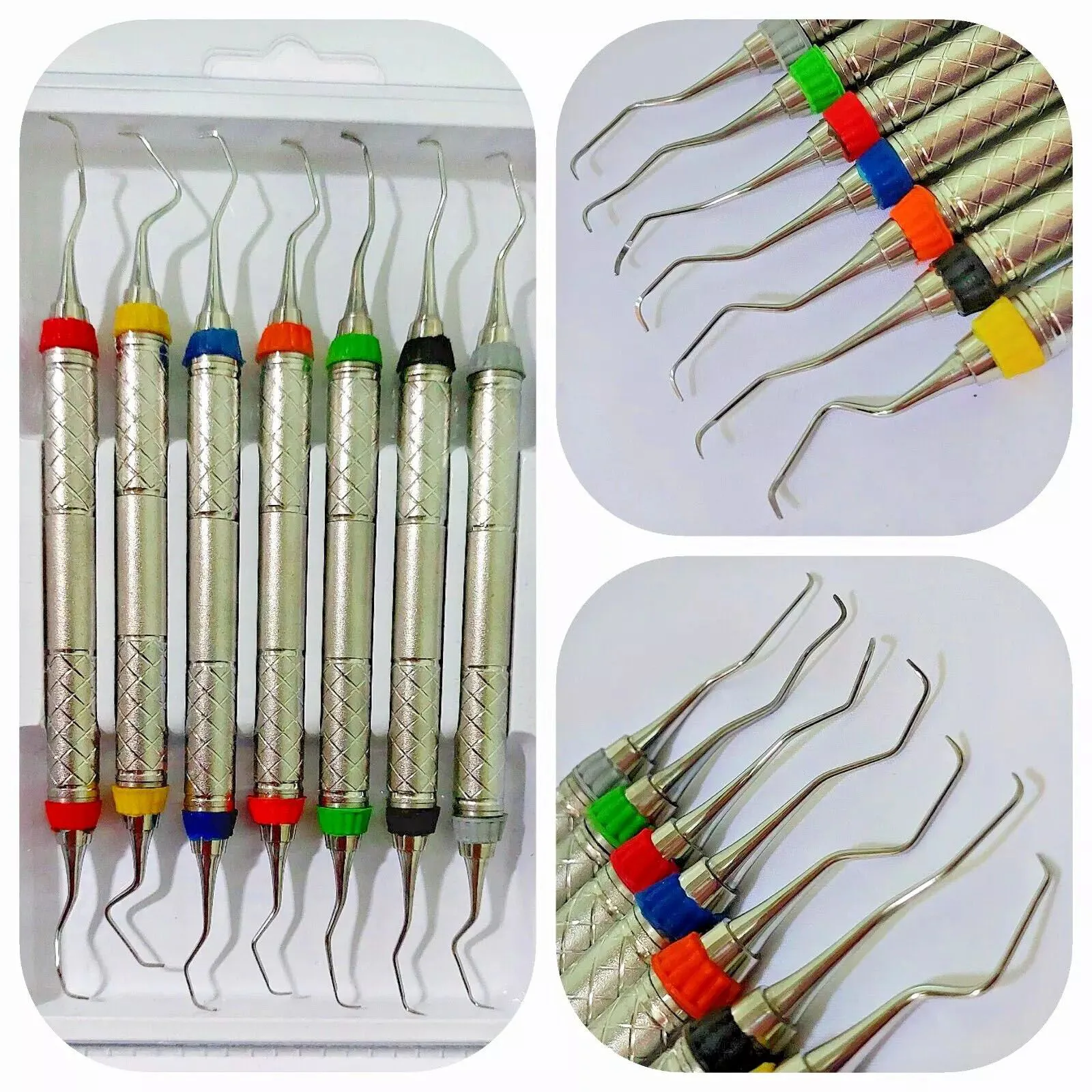
If an Edge Stays Dull or a Handle Cracks
An edge that stays dull after permitted maintenance, or a cracked handle, needs a closer look than routine wear. A short, focused request helps us confirm the next step quickly.
- Take the instrument out of clinical circulation. Set it aside until a qualified person in your facility has assessed it. We cannot decide from photographs whether an instrument is fit for use.
- Send the details first. Include your order or invoice number, the instrument name and pattern, and clear photos of the affected area. Also tell us how the instrument has been cleaned and processed, and when and how it was last sharpened.
- Wait for our confirmation. We check whether the instrument is still within six months of receipt and confirm what we will do. Within that period, sharpening and repair are free, and we replace an instrument free of charge if we cannot fix it. You pay shipping to us and we pay the return shipping. After six months we no longer sharpen or repair the instrument, but we can quote a new one of the same pattern.
Planning for time away
Before you send instruments to us, ask how long they are expected to be away, including workshop time and transit in both directions. This page does not promise a fixed turnaround. If several instruments need service, consider sending them in staggered batches and keeping spare stock of the patterns you depend on. Our review and stock worksheet has blank fields for recording items away and the cover you arranged.
Workshop Time, Transit and Reports Are Different Things
A service timing figure usually describes only one stage. Inbound transit runs from your dispatch until we receive the instrument. Workshop time runs from receipt until the work is complete. Return dispatch and transit come after that. A written finding or investigation report, if you need one, is a separate document and is not the same as completing the work, so ask whether one can be provided and when. When you ask about timing, ask which stages the answer covers, and plan around the full time the instrument is away.