Surgical Instrument Requirements
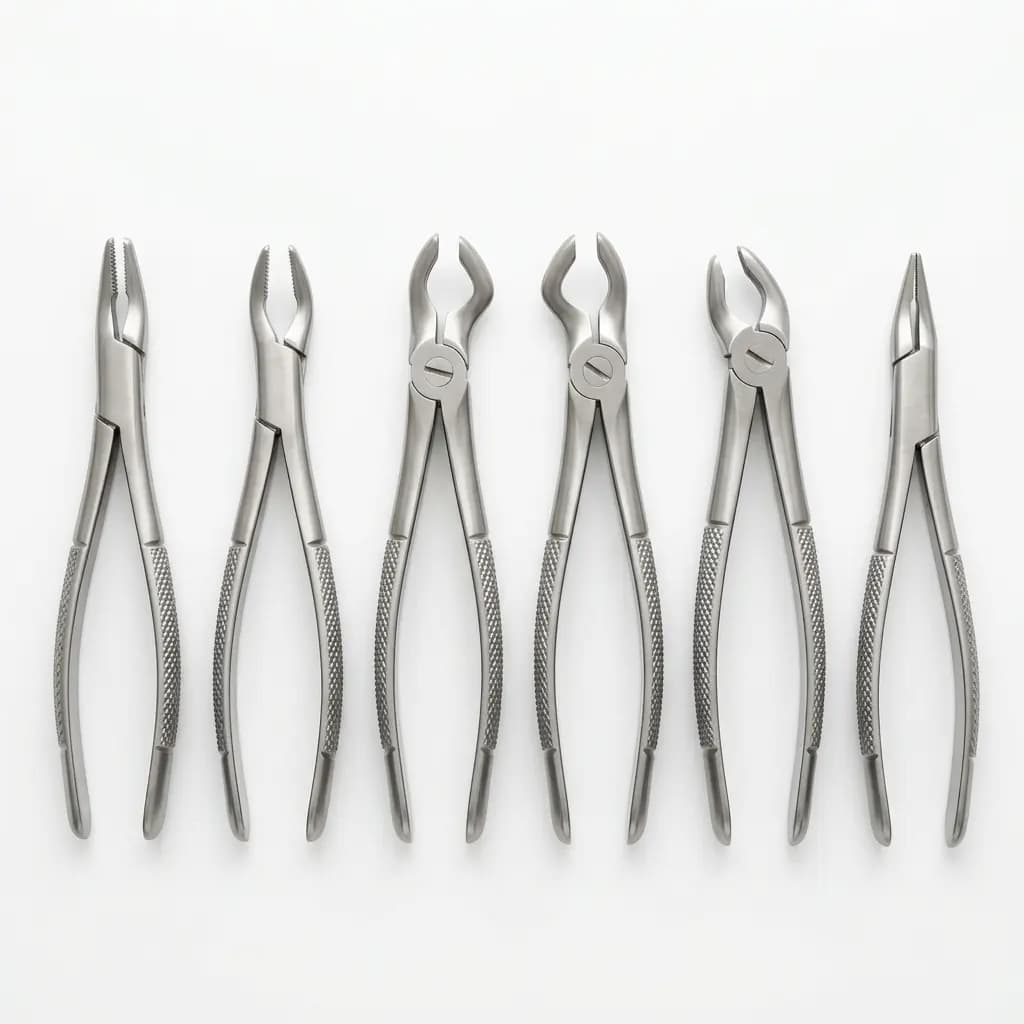
Oral surgery centers perform 4 primary procedure types requiring specialized instrument sets: simple extractions (forceps, elevators, periosteal elevators), surgical extractions (scalpels, rongeurs, bone files, retractors, needle holders), implant surgery (surgical kits, bone grafting instruments, tissue punches), and TMJ/maxillofacial procedures (specialized forceps, retractors, plating instruments). Each procedure type requires 8–20 instruments organized in dedicated sterilization cassettes. A typical oral surgery center maintains 15–25 instrument cassettes for daily surgical volume of 15–30 procedures.
Surgical Instrument Quality Checks
Surgical instrument material and heat-treatment requirements depend on what the product must do. Cutting jaws, scissor blades, clamping instruments, and load-bearing patterns should not inherit one blanket hardness statement. Inspection can include jaw or blade alignment, joint movement, cutting-edge assessment, working-end dimensions, finish, and match to the approved sample. Ask for the material and applicable test evidence available for the quoted SKU; manufacturing operates under ISO 9001:2015 quality management certification.
Implant Surgery Instruments
Implant surgery requires additional specialized instruments: tissue punches (3–6mm diameters), bone grafting instruments (bone scrapers, bone mills, membrane tack instruments), implant drivers and wrenches (manufacturer-specific and universal), healing cap instruments (hex drivers, torque wrenches), and microsurgical instruments (Castroviejo needle holders, microsurgical scissors). We manufacture implant surgery accessory instruments compatible with major implant systems including Straumann, Nobel Biocare, BioHorizons, and Zimmer.