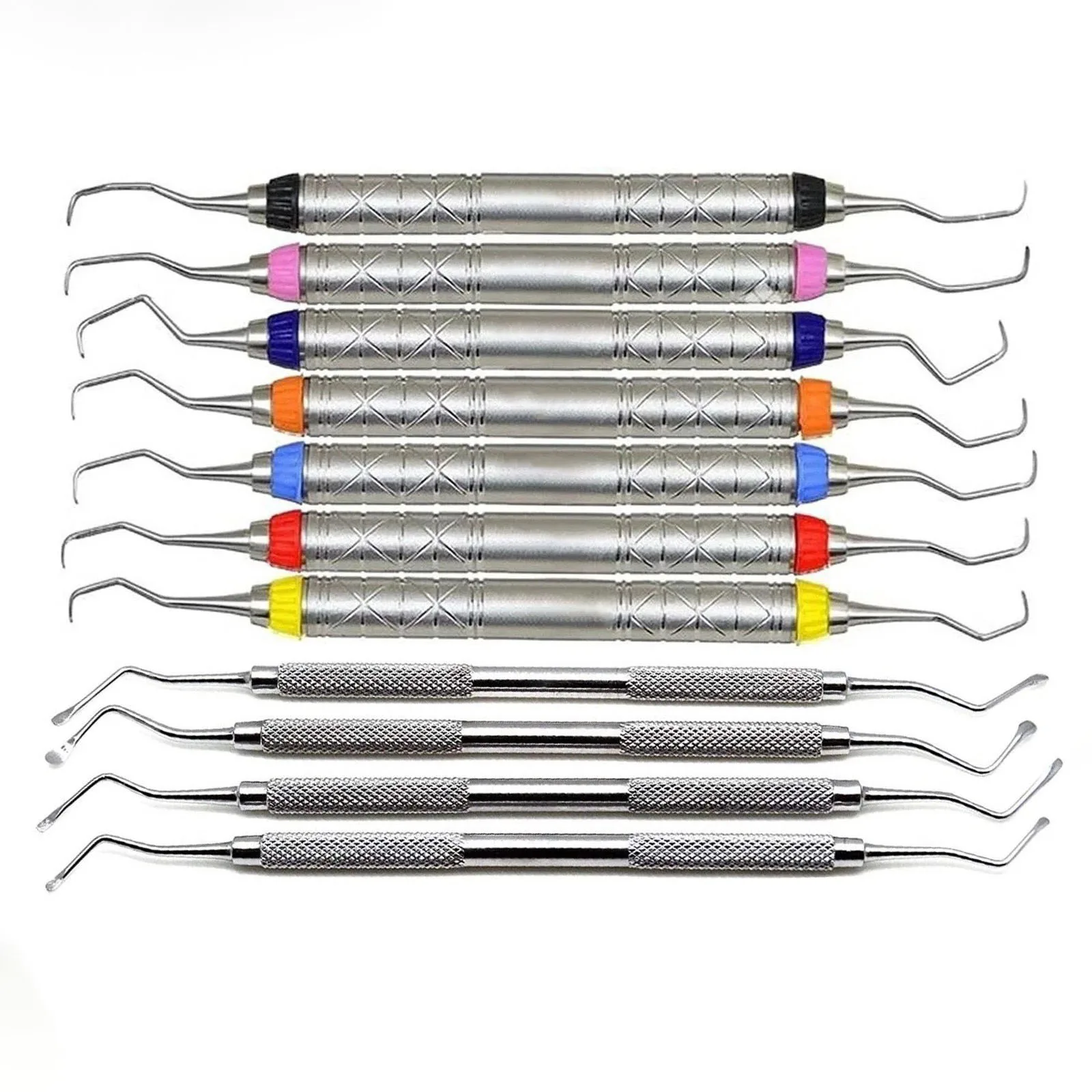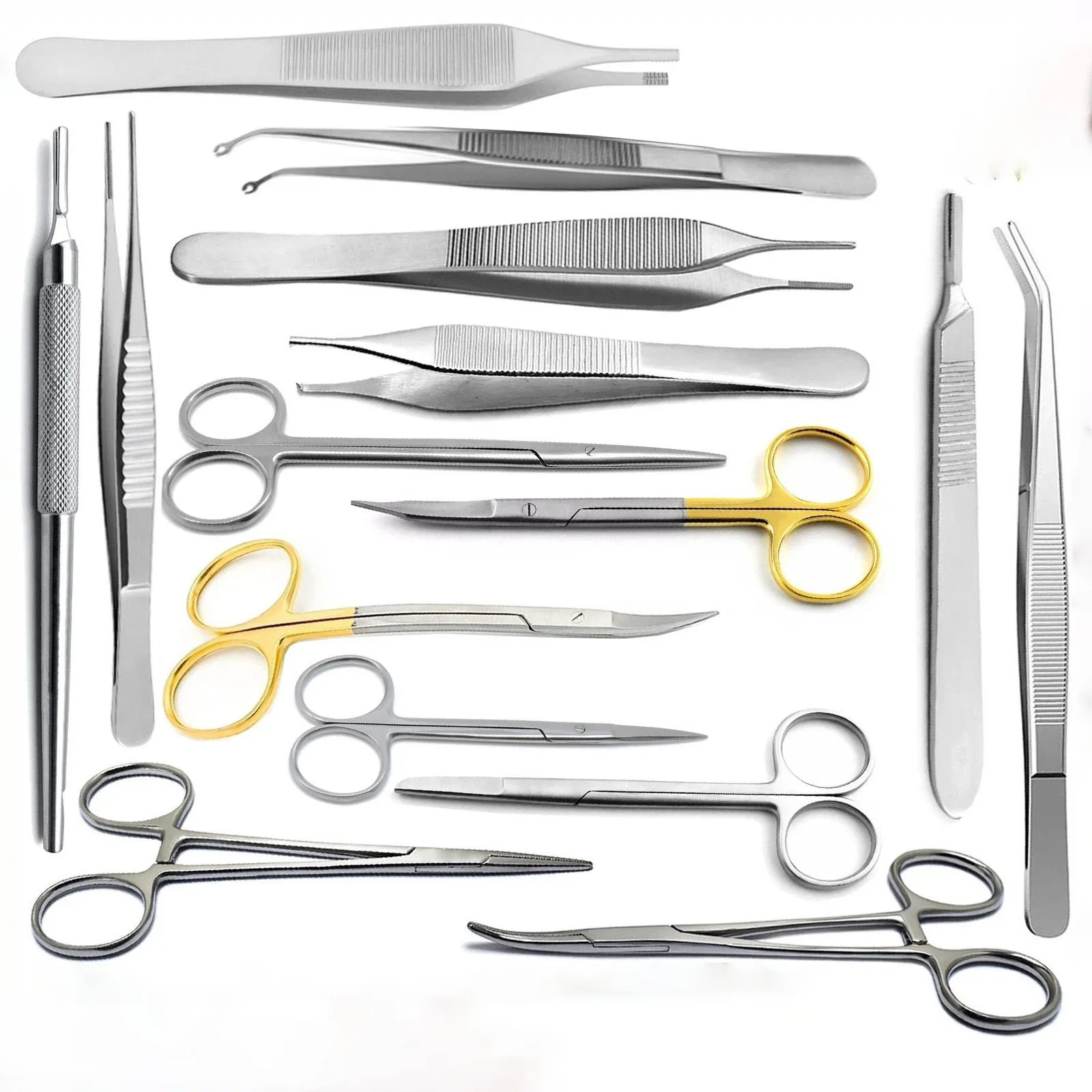
Dental Instrument Kits
Dental instrument kits should be compared by their exact bill of materials, not by piece count alone. Browse examination, general dentistry, oral-surgery, periodontal, orthodontic, and custom student configurations. Schools, clinics, and distributors can submit their own instrument schedule for sample review, cassette planning, identification, private-label packaging, replacements, and manufacturer-direct pricing.
Dental Instrument Kits Products
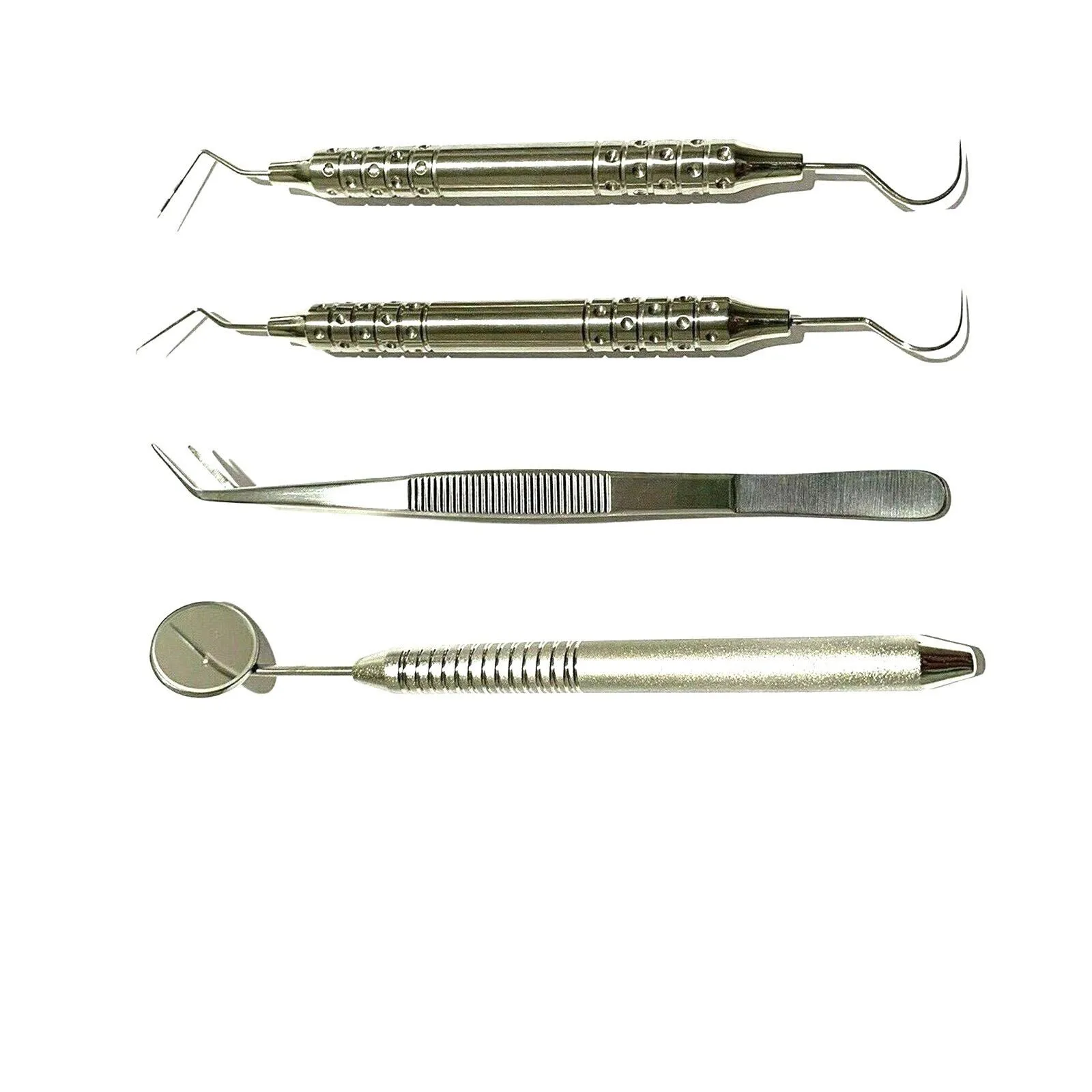
Compare current instruments in this category, including available variations, specifications, and quote options.
Custom Dental Student Instrument Kits
We build dental student instrument kits from your school or course list rather than a universal piece count, since programs vary enough that no single standard kit fits every curriculum. Send us your official school list when requesting a quote.
General Dentistry Instrument Kit (10 Pieces)
We build this ten-piece general dentistry instrument kit with the final instrument list documented line by line in your quotation, for clinic, training, outreach, or student supply. Tell us your intended setting and required instruments when requesting a quote.
Oral Surgery Instrument Kits
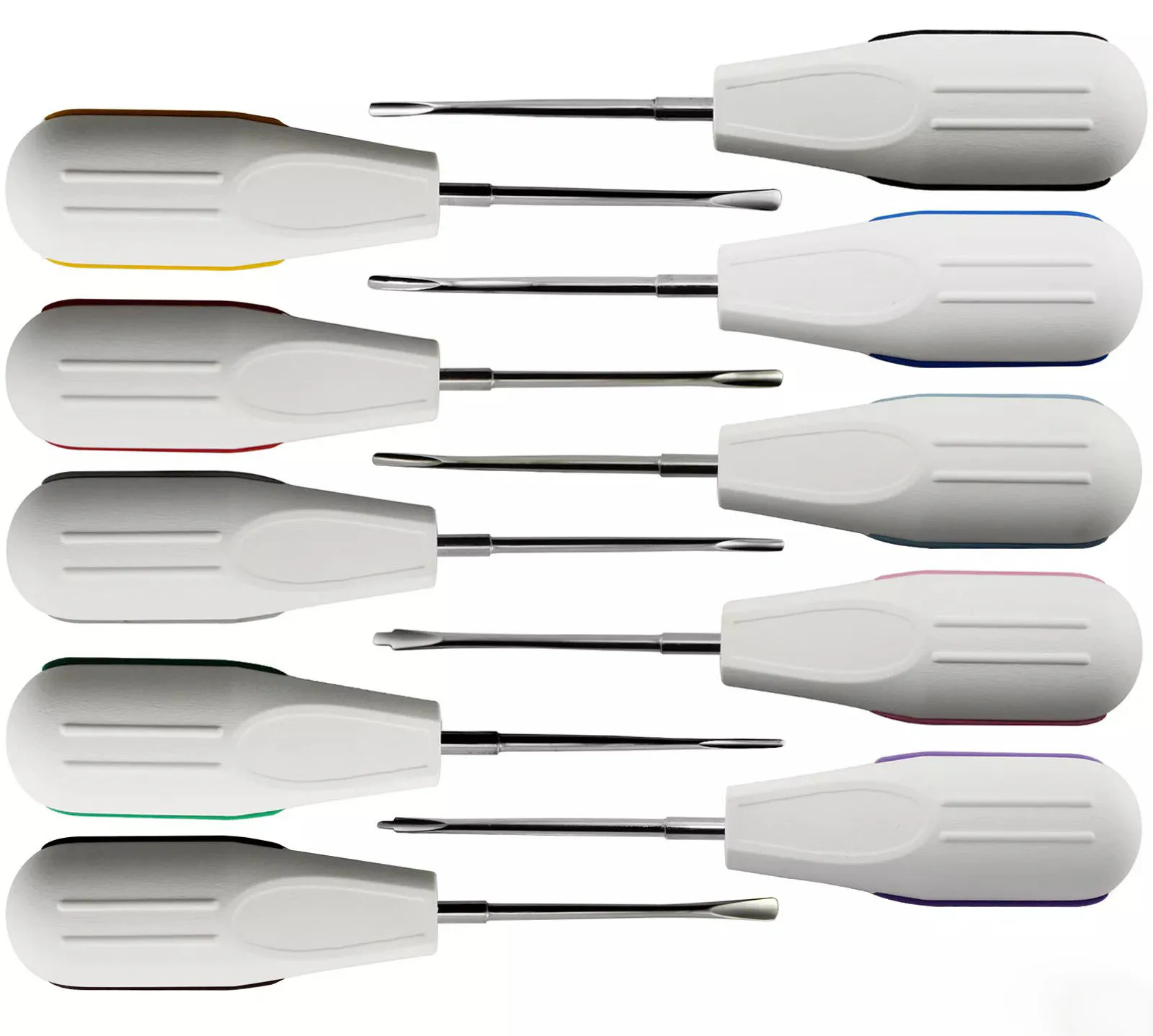
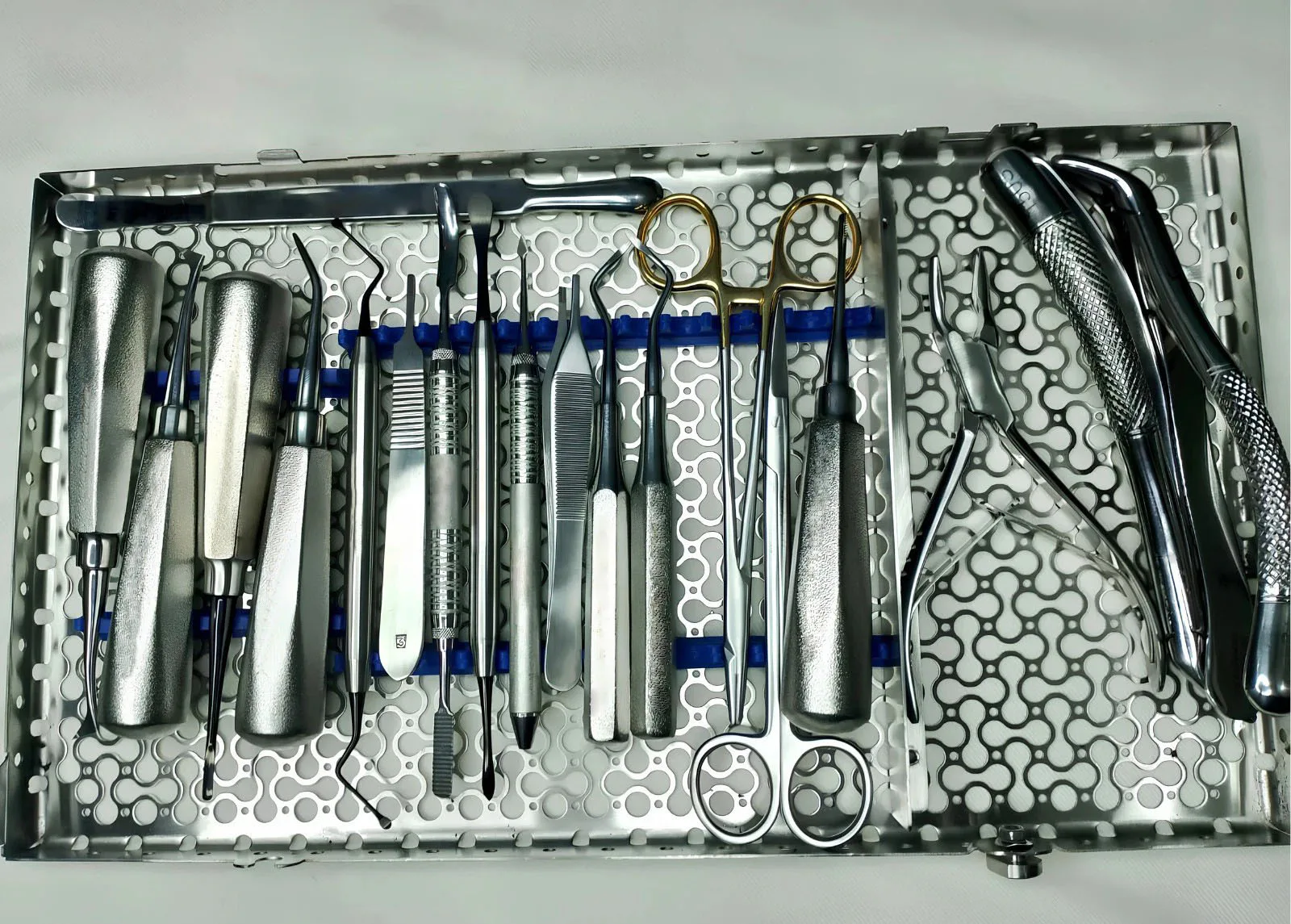
We build core extraction, retained-root, minor oral surgery, and expanded surgical instrument kit configurations, each from an approved component schedule rather than piece count alone. Tell us which configuration and components you need when requesting a quote.
Orthodontic Instrument Kits
We build bonding, archwire adjustment, debonding, banding, and clear-aligner instrument kit configurations, each organized around one clinical workflow with its own instrument list. Tell us which configuration and components you need when requesting a quote.
Periodontal Instrument Kits
We build diagnostic, hygiene, Gracey, universal curette, and periodontal surgery instrument kit configurations, each around one clinical workflow rather than a vague "complete perio kit." Tell us which configuration and components you need when requesting a quote.
Dental Instrument Kits Buying Specifications
| Specification | Details |
|---|---|
| Choose by audience | Clinic, specialist, distributor, dental school, student, or private-label program |
| Choose by workflow | Examination, general dentistry, oral surgery, periodontal, orthodontic, or curriculum-defined |
| Kit identity | Exact instrument names, patterns, quantities, handles, and replacement references |
| Organization | Cassette or tray, position schedule, marking, color identification where available, and outer packaging |
| Quote details | Bill of materials, quantities, sample needs, MOQ, branding, labels, pack format, and destination |
How to Choose Dental Instrument Kits
Choose the Kit by Procedure or Buyer Group
A diagnostic kit, general dentistry set, oral-surgery kit, periodontal kit, orthodontic kit, and dental student kit serve different purchasing tasks. Choose the task first, then inspect every included instrument. A kit title or piece count is not a complete specification.
Clinics may need repeatable procedure setups, distributors may need a private-label assortment, and schools may need an exact curriculum list. Each buyer should submit the intended workflow and bill of materials so the quote reflects the required products rather than a generic interpretation of “complete dental kit.”
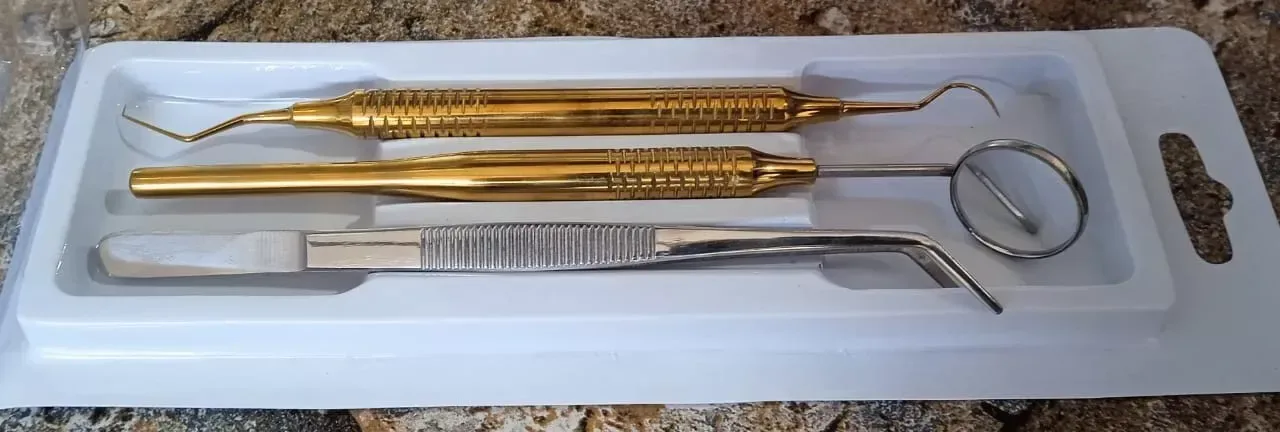
- Examination — Confirm mirror, explorer, probe, cotton pliers, handles, and any cassette.
- General dentistry — Review every diagnostic, restorative, periodontal, and supporting instrument in the stated configuration.
- Specialist kits — Oral-surgery, periodontal, and orthodontic sets need pattern-level contents tied to the workflow.
- Student kits — Build from the approved school list, course stage, handles, identification, cassette, and replacement plan.
Piece Count Does Not Replace a Bill of Materials
Two ten-piece kits can contain completely different instruments. Compare the exact name, pattern or figure, quantity, handle, and variation for every line. If the same instrument appears twice, its quantity and position should be clear rather than hidden inside the total piece count.
The buyer should also know what is not included. A kit may exclude a cassette, accessory, mirror head, replacement pad, or consumable shown in a workflow illustration. The confirmed bill of materials and quotation control the supplied configuration.
Standard Kits and Custom Builds
A standard kit is efficient when its current contents match the buyer’s requirement. A custom build is more appropriate when a school, clinic, or distributor supplies a list. Custom does not mean unspecified: the buyer and manufacturer should approve the same bill of materials, handle choices, marking, layout, packaging, and sample.
Changes after approval should be recorded as a revised specification. That protects repeat-order consistency and prevents a near-equivalent pattern from replacing the requested instrument without review. The confirmed product names and order references should remain consistent throughout the quotation.
Cassette, Identification, and Packaging
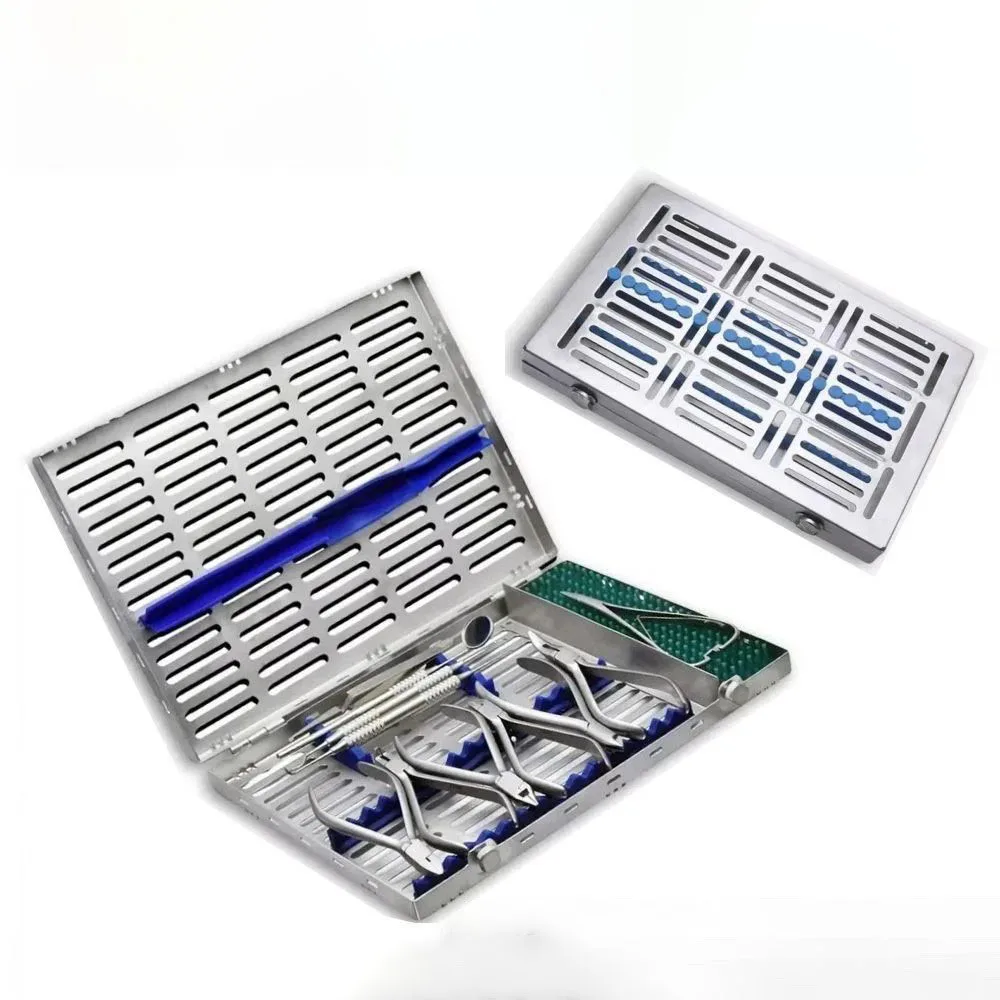
A cassette must fit the longest, widest, and hinged instruments in the kit, not just the number of pieces. Send the desired layout or allow the composition to be reviewed against an available cassette. Marking and color identification should be specified at product and pack level, with artwork and location approved before production.
Packaging may be individual, grouped, or set-based depending on the product and commercial requirement. State barcode, label, language, carton, documentation, and destination needs. For student programs, define how replacement instruments will be identified and reordered after the initial issue.
How to Request a Kit Quotation
Send the audience or procedure, complete instrument list, patterns, quantities, handles, cassette, layout, marking, private-label artwork, packaging, target quantity, sample needs, destination, and required documents. When using a school list, include its version or date so later changes can be reconciled.
We will review current availability, resolve questions before pricing, and identify the quoted composition. Available manufacturing, material, certification, packaging, and export evidence can accompany the commercial process. Clinical or curriculum approval remains with the qualified buyer or institution.
If replacements will be ordered over several terms or purchasing cycles, request an instrument-level SKU schedule with the first quotation. Keep each SKU beside the kit position and approved pattern. That schedule lets a buyer replenish one worn or missing item without interpreting a group photograph or rebuilding the whole set.
For institutional orders, state whether kits are issued to individuals, operatories, departments, or teaching cohorts. This affects marking, labels, color identification, pack grouping, spare instruments, and replacement schedules. The commercial specification should reflect that distribution plan before final packaging is approved.
What Can Be Confirmed Before You Order
We hold ISO 9001:2015 quality management certification, confirmed for the exact product range on request in your quotation enquiry.
Sialkot production workflow
Material selection, forming, heat treatment where required, grinding, finishing, inspection, marking, and export packing.
Material02Grade confirmed by SKU
Material and applicable steel grade are confirmed against the quoted pattern instead of applying one grade to every instrument family.
MOQ03Order-type minimums
Samples: 1-3 pieces per pattern; standard product orders: confirmed with your quote; mixed wholesale: 25 instruments (mixed patterns); OEM: 25 pieces per pattern.
Packaging04Protective and branded options
Individual pouches, procedure sets, cassettes, protective bulk cartons, product labels, and approved private-label packaging.
Export05Documented dispatch
Commercial invoice, packing list, protective outer packaging, and courier or freight tracking appropriate to the order.
Learn More About Instrument Kits
Helpful guides related to this category, product selection, instrument names, and sterilization workflows.
Dental Extraction Tray Setup and Instrument List
A practical dental extraction tray setup guide covering the core instruments for simple extraction and the additional instruments used in surgical and retained-root setups.
Read GuideComplete Guide to Dental Instruments
Learn the main types of dental instruments, how they are used, what materials matter, and how to choose reliable tools for clinical workflows.
Read GuideDental Instrument Sterilization Guide
Step-by-step dental instrument sterilization guidance covering cleaning, inspection, packaging, autoclave cycles, monitoring, and storage.
Read GuideDental Instrument Kits FAQ
Are dental kit contents fixed or customizable?
Both formats are available. Standard products have a defined current bill of materials; custom sets require an approved line-by-line specification.
Can a dental school submit its own instrument list?
Yes. Include the list version, each pattern and quantity, handles, cassette, identification, packaging, sample needs, and destination.
Is a cassette included with every dental instrument kit?
No. Cassette inclusion is product specific. Check the visible bill of materials and quotation for the exact configuration.
How are replacement instruments reordered?
Keep the confirmed product references, patterns, handles, and kit positions from the original order and use them in the replacement request.
Need Instrument Kits in Bulk?
Send your instrument list and quantities for manufacturer-direct pricing, custom branding, or mixed-category quotes.