
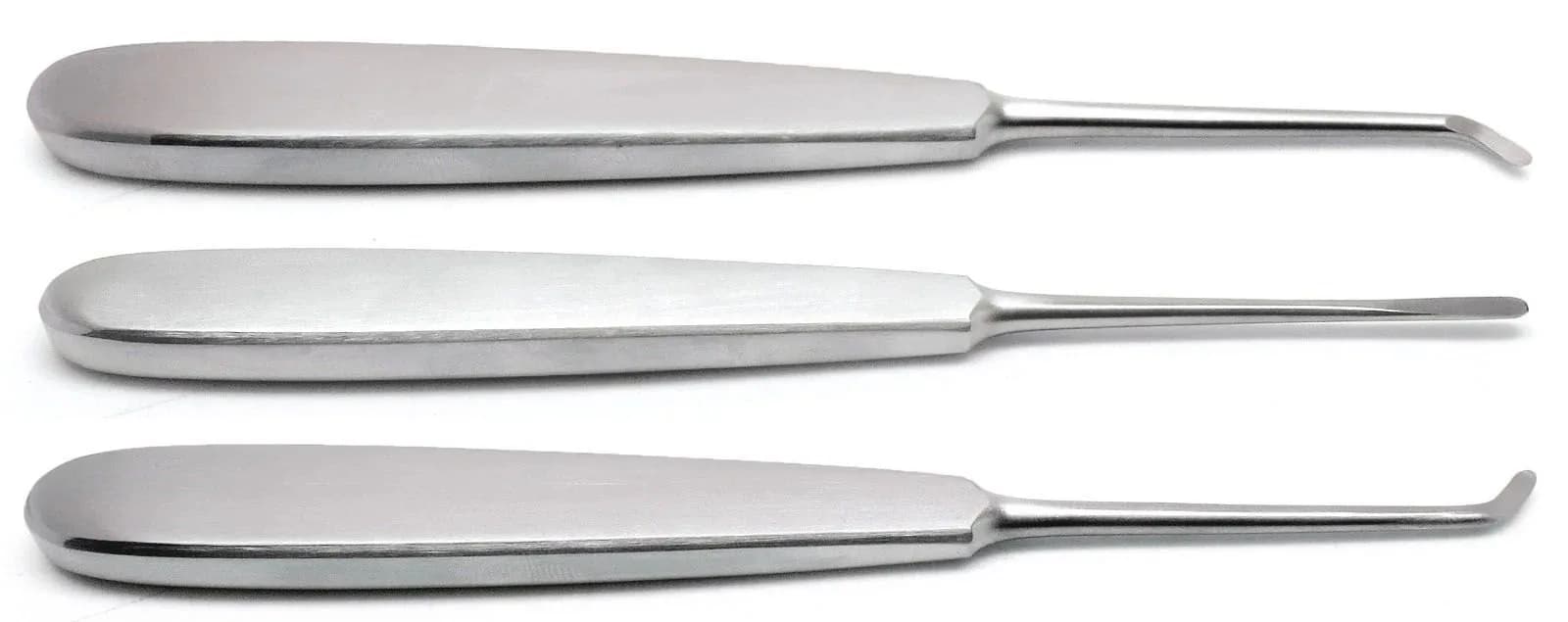
Veterinary Dental Instrument Requirements

Veterinary dentistry requires modified dental instruments adapted to animal oral anatomy. Dog and cat dental procedures use instruments similar to pediatric dental instruments — smaller blade sizes, shorter working lengths, and modified angulation for animal oral access. Equine dentistry requires longer instruments (300–500mm) for reaching posterior cheek teeth. The American Veterinary Dental College (AVDC) recognizes veterinary dentistry as a board specialty, with standardized instrument requirements for procedures including dental prophylaxis, extractions, endodontics, and oral surgery on animals.

Species-Specific Modifications

We manufacture veterinary dental instruments with 4 species-specific modifications: canine/feline instruments (pediatric-sized handles, 15–20% shorter working lengths, modified blade widths for smaller teeth), equine instruments (extended handles 300–500mm, reinforced construction for larger tooth roots, modified forceps beak geometry), rabbit/rodent instruments (micro-sized blades, specialized incisor elevators, cheek dilators), and exotic animal instruments (modified for reptile, avian, and pocket pet dentistry). Each species-specific instrument maintains the same manufacturing quality standards as human dental instruments.

Veterinary Practice Instrument Packages

We build veterinary dental packages around three common starting points: a small animal basic package for dental prophylaxis and simple extractions, a small animal comprehensive package that adds surgical extraction and endodontic instruments, and an equine dental package for equine procedures. Contents and pricing are configured around your practice species mix and procedure volume, then quoted from your final list. All packages include sterilization cassettes and instrument identification cards.

FAQ

Are your veterinary dental instruments different from human instruments?

Yes. Veterinary dental instruments are modified from human patterns with adjusted blade sizes, working lengths, and handle dimensions for animal oral anatomy. Canine/feline instruments are 15–20% smaller than adult human instruments. Equine instruments are 2–3× longer than human instruments. All modifications maintain the same manufacturing quality and material standards.

What instruments do veterinary dentists use most?

The most commonly used veterinary dental instruments are: dental explorers (caries and resorption detection), periodontal probes (pocket depth measurement), ultrasonic scalers (calculus removal), extraction forceps (modified for animal tooth morphology), dental elevators (root luxation), and periosteal elevators (flap elevation). Between them, these six instrument types cover most routine veterinary dental work.

Do you supply equine dental instruments?

Yes. Our equine dental instrument line includes extended-handle oral floats, molar extraction forceps, wolf tooth elevators, speculum adapters, and equine periodontal instruments. Handle lengths range from 300–500mm for safe posterior oral access. All equine instruments are manufactured from heavy-gauge stainless steel for the forces required in equine dental work.

Ready to Equip Your Practice?

Submit your requirements and receive manufacturer-direct pricing within 24 hours.