
Dental Instrument Blog
Expert guides on dental instrument manufacturing, quality standards, buying strategies, and clinical instrument selection.
Dental statistics and research
Explore the studies and source data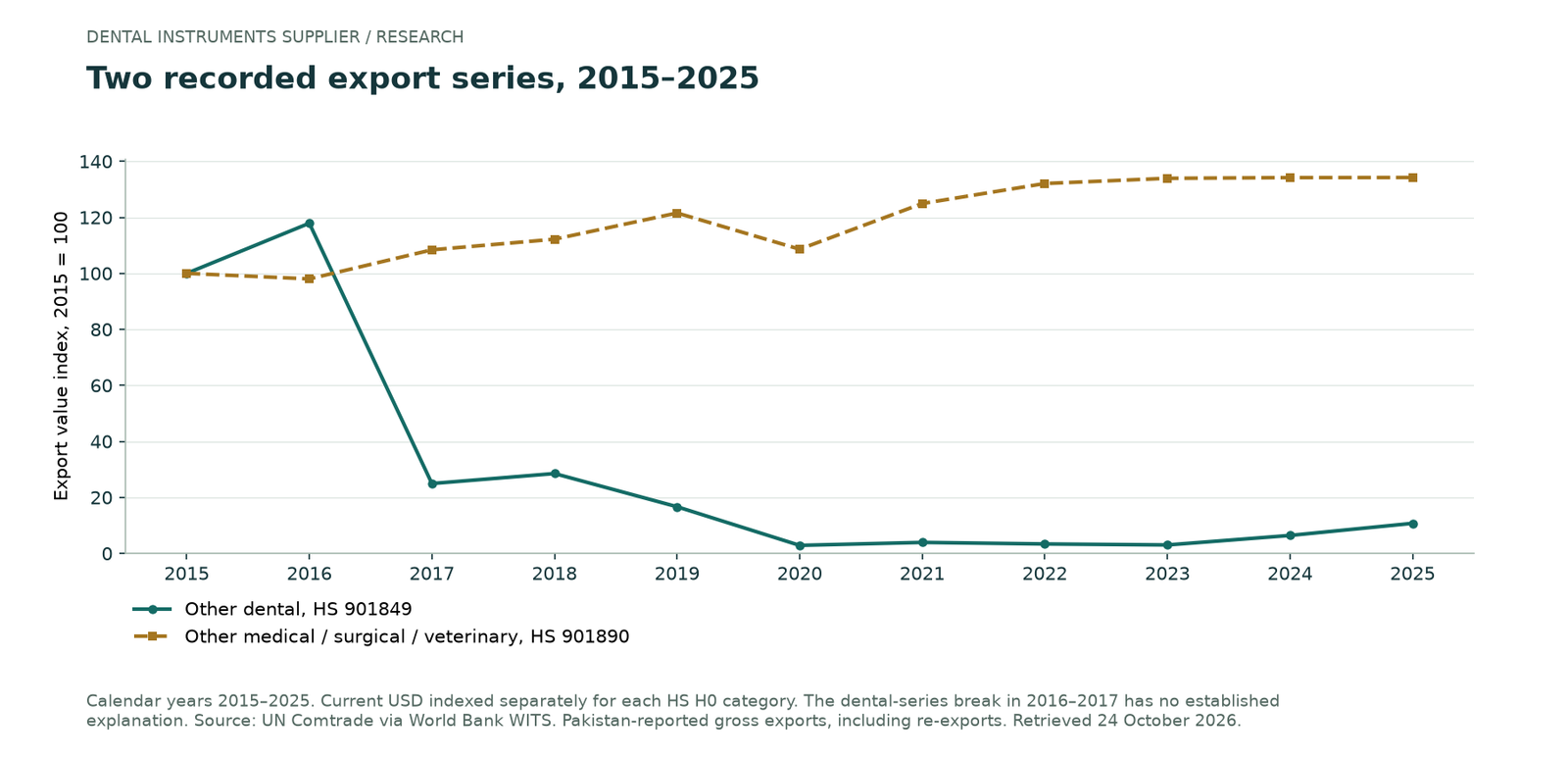
Pakistan Dental and Surgical Instrument Export Statistics 2026
What official data record for two separate customs categories from 2015 to 2025: other dental instruments (HS 901849) and other medical, surgical and veterinary instruments (HS 901890).
Yorkshire Dental Statistics 2026: Hospital Extractions, Childhood Decay and NHS Patients Seen
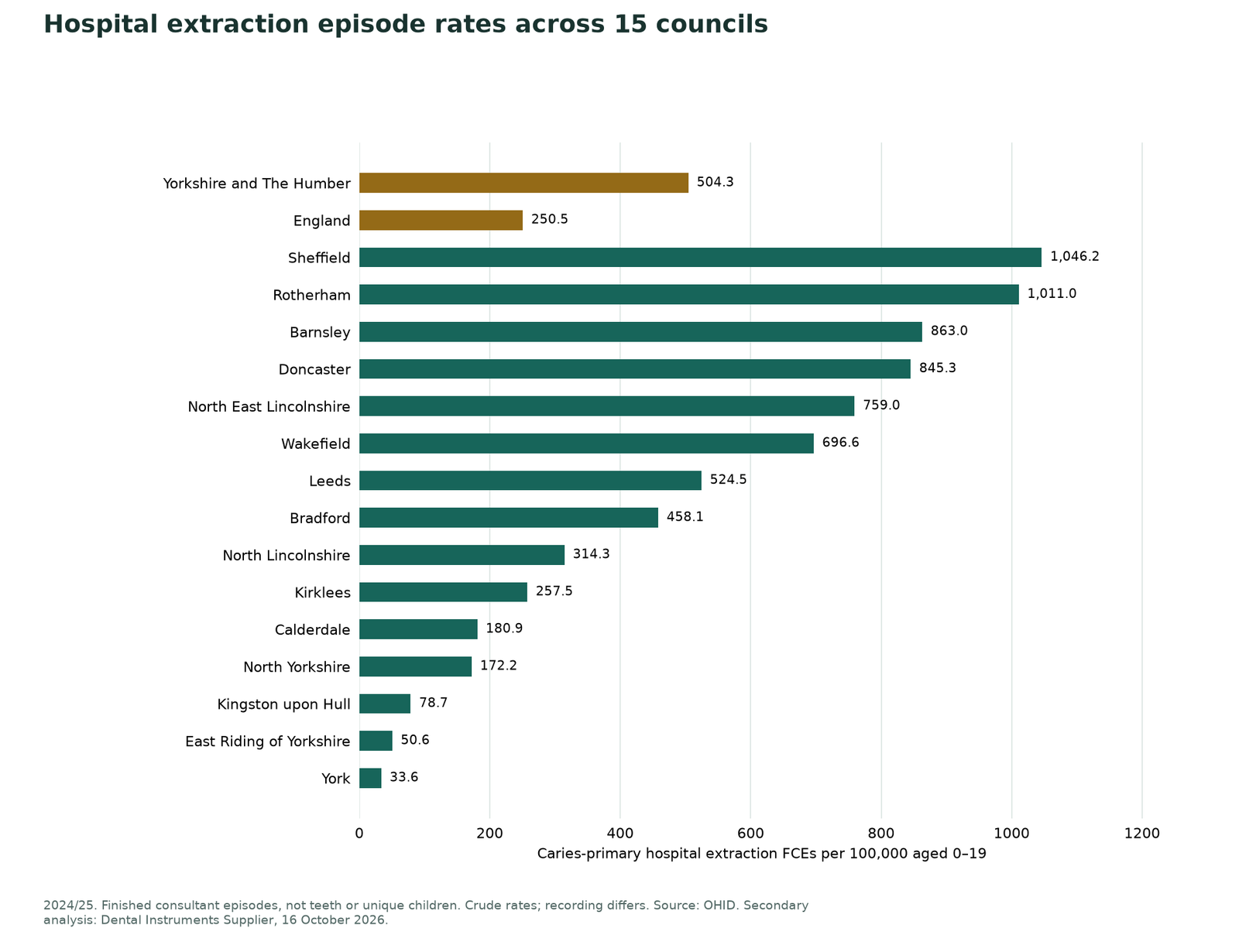
A plain-English secondary analysis of official data on hospital tooth extractions in children, decay in 5-year-olds and NHS dental patients seen across Yorkshire and The Humber.
NHS Dental Statistics for England 2025/26: Treatment and Workforce
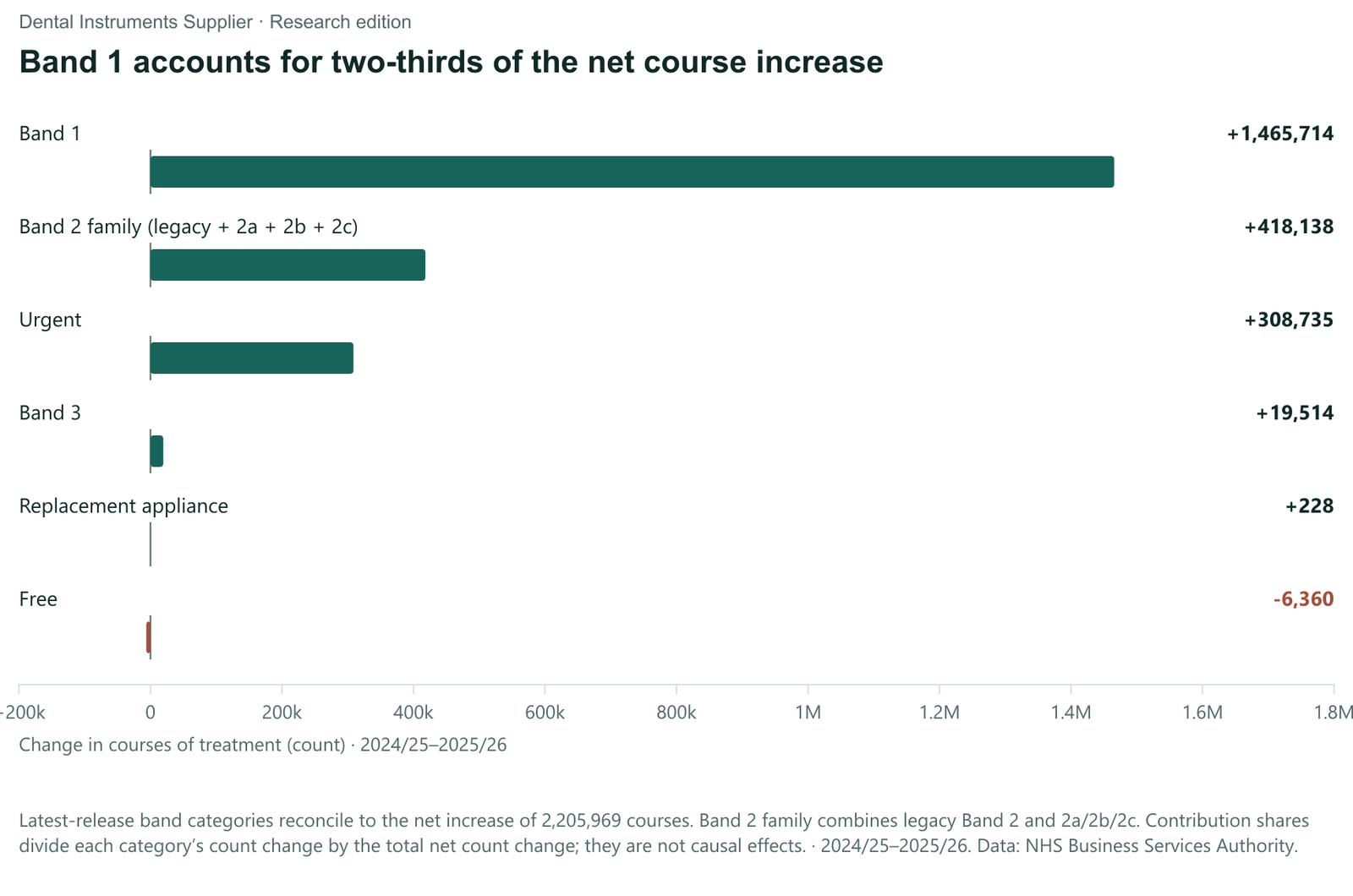
England's NHS general dental services recorded 37,618,010 completed courses of treatment in 2025/26, which is 2,205,969 more than in 2024/25.
Dental Instrument Trade Statistics 2026: Import Trends Across Selected Markets
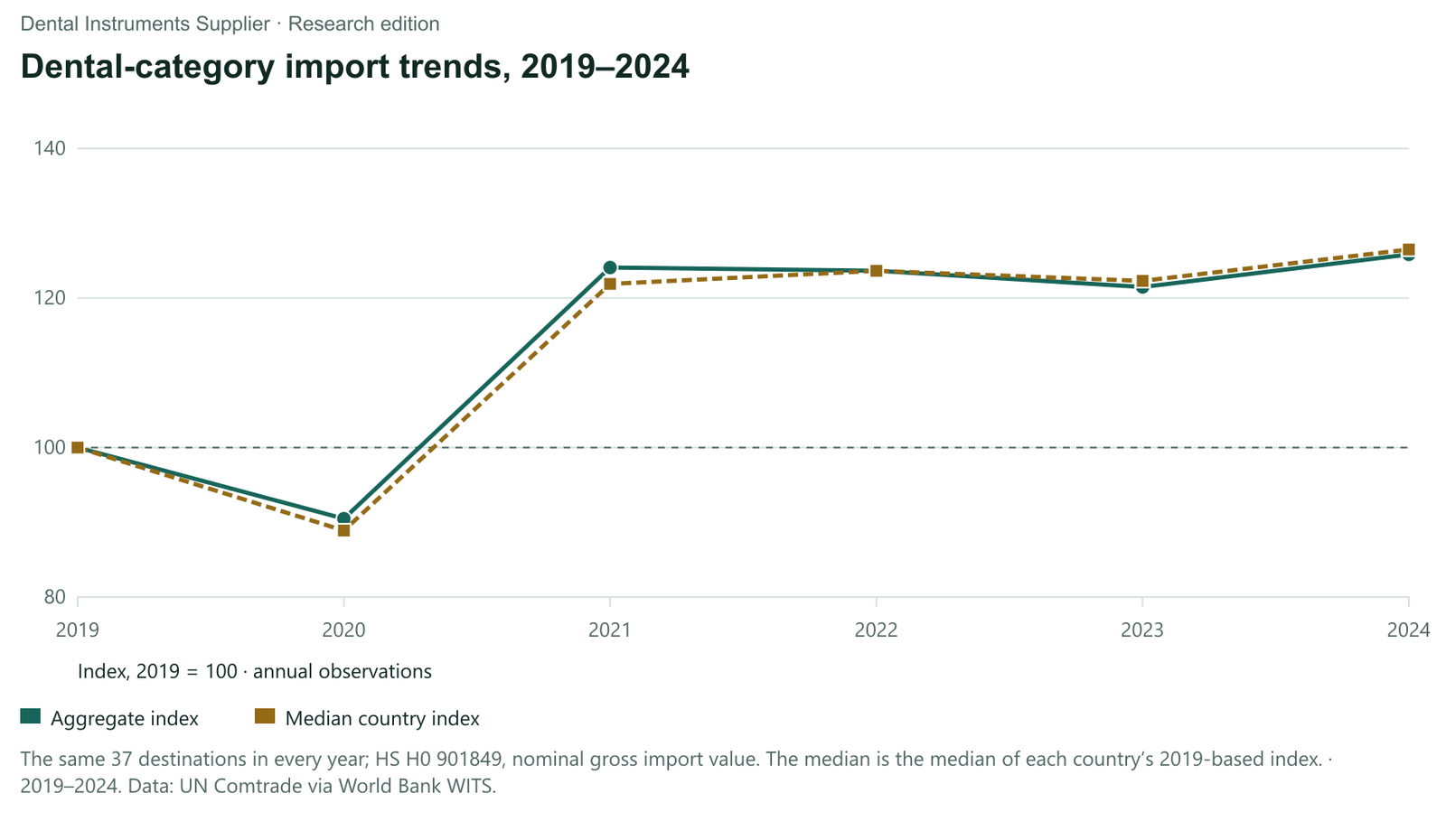
Recorded imports of HS 901849 dental instruments and appliances rose 25.83% in nominal US dollars across 37 selected destinations from 2019 to 2024.
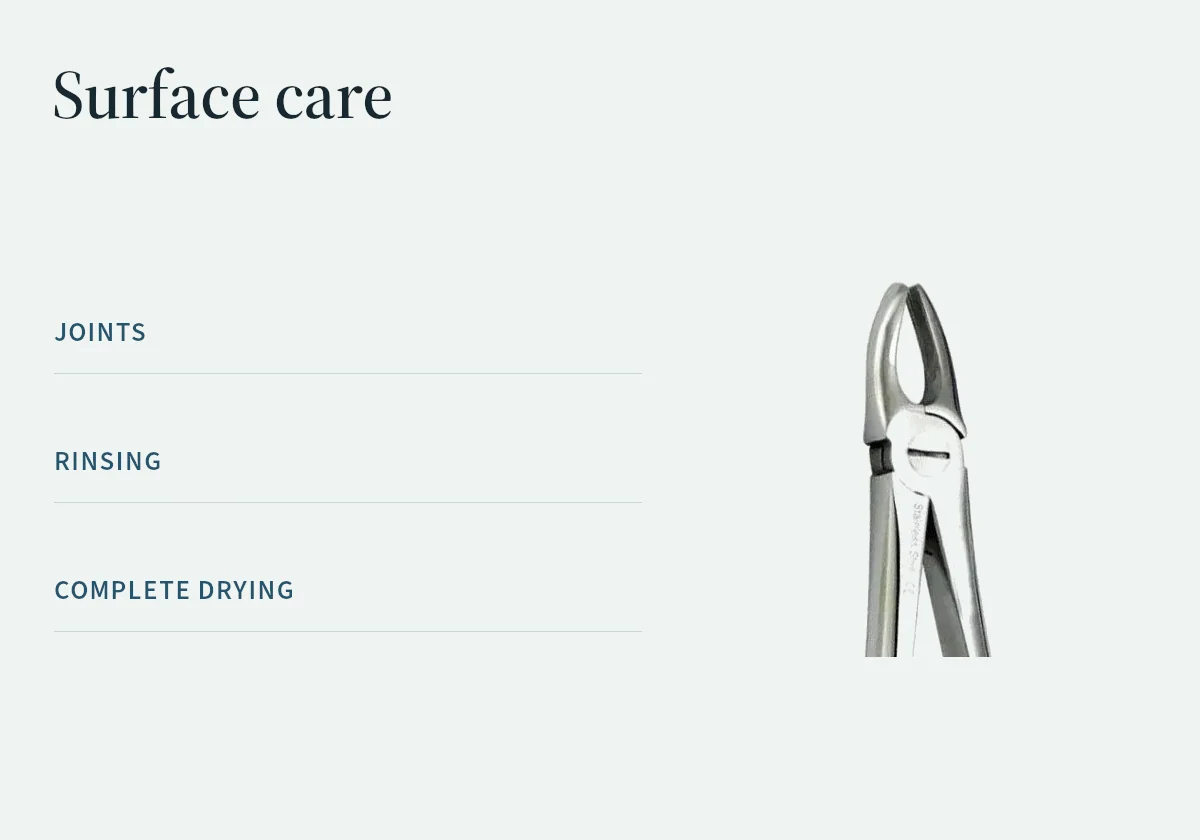
Preventing Corrosion on Stainless Steel Dental Instruments
How to prevent corrosion on stainless steel dental instruments: why the passive layer fails, the common causes (delayed cleaning, harsh chemicals, poor drying), a step-by-step prevention workflow, and what to do about rust and pitting....
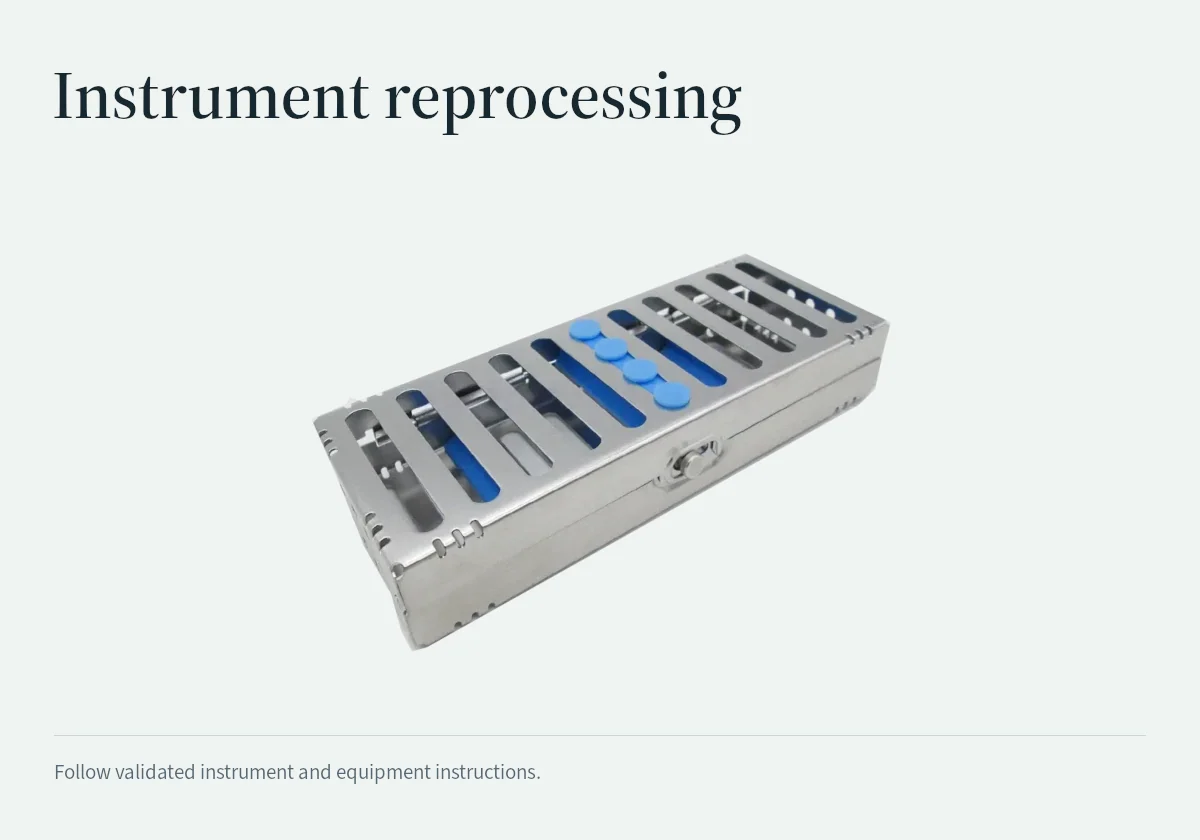
Dental Instrument Sterilization: Complete Autoclave Guide
The complete dental instrument sterilization workflow: transport, cleaning, drying, packaging, autoclaving, and monitoring — with autoclave cycle basics, CDC-aligned steps, and mechanical, chemical, and biological monitoring....
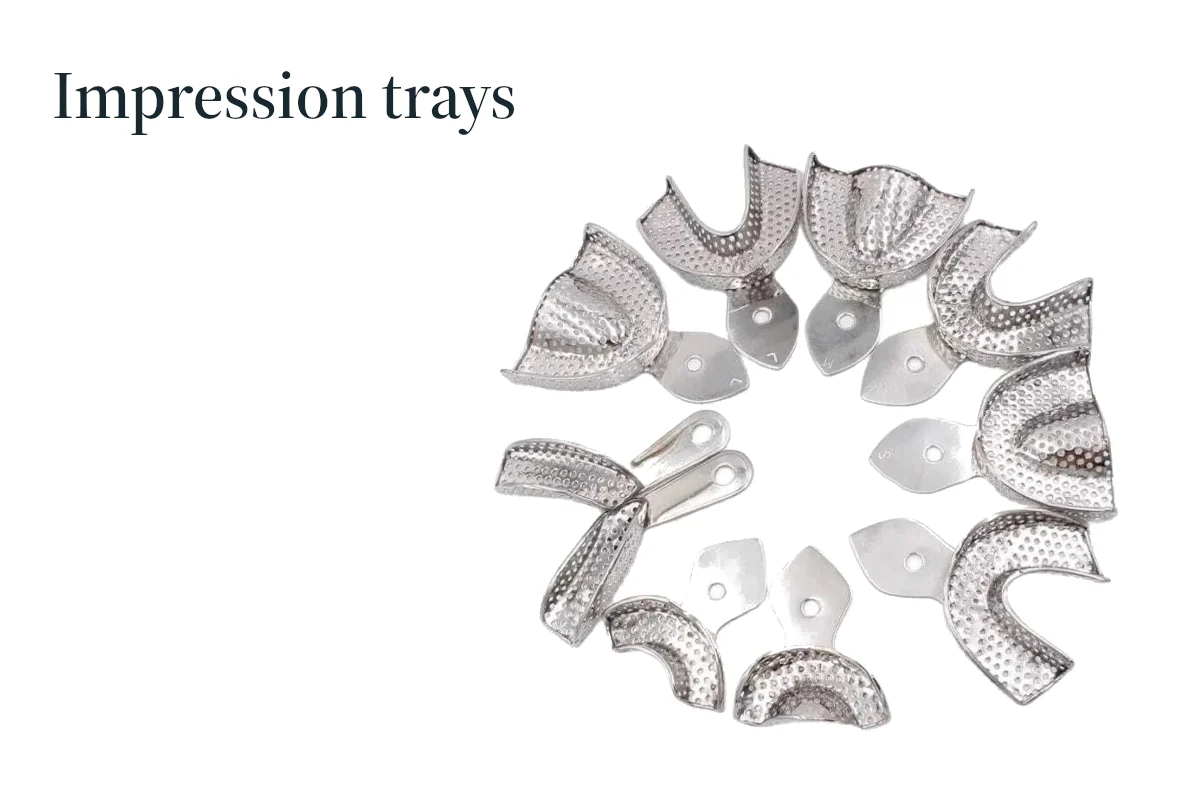
Dental Impression Tray Selection: Complete Guide
How to select a dental impression tray: stock vs custom, metal vs plastic, perforated vs rim-lock, and matching the tray to alginate, VPS, or polyether — with a clinical fit checklist and selection by procedure....
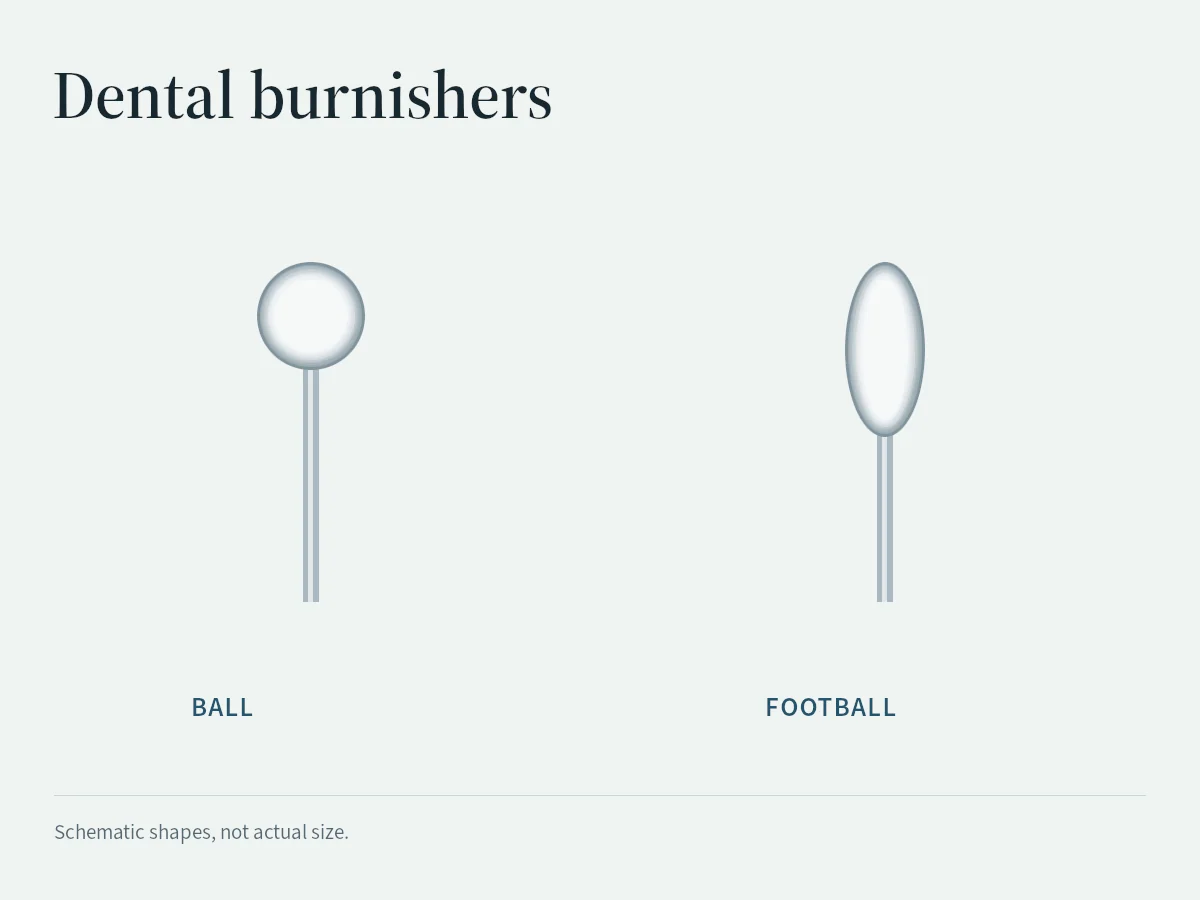
Dental Burnishers: Types, Uses & Selection
Dental burnisher types and how to select them: ball, football, acorn, T-ball, beavertail, and Woodson burnishers for smoothing and adapting amalgam, composite, and temporary restorations, plus matrix contouring....
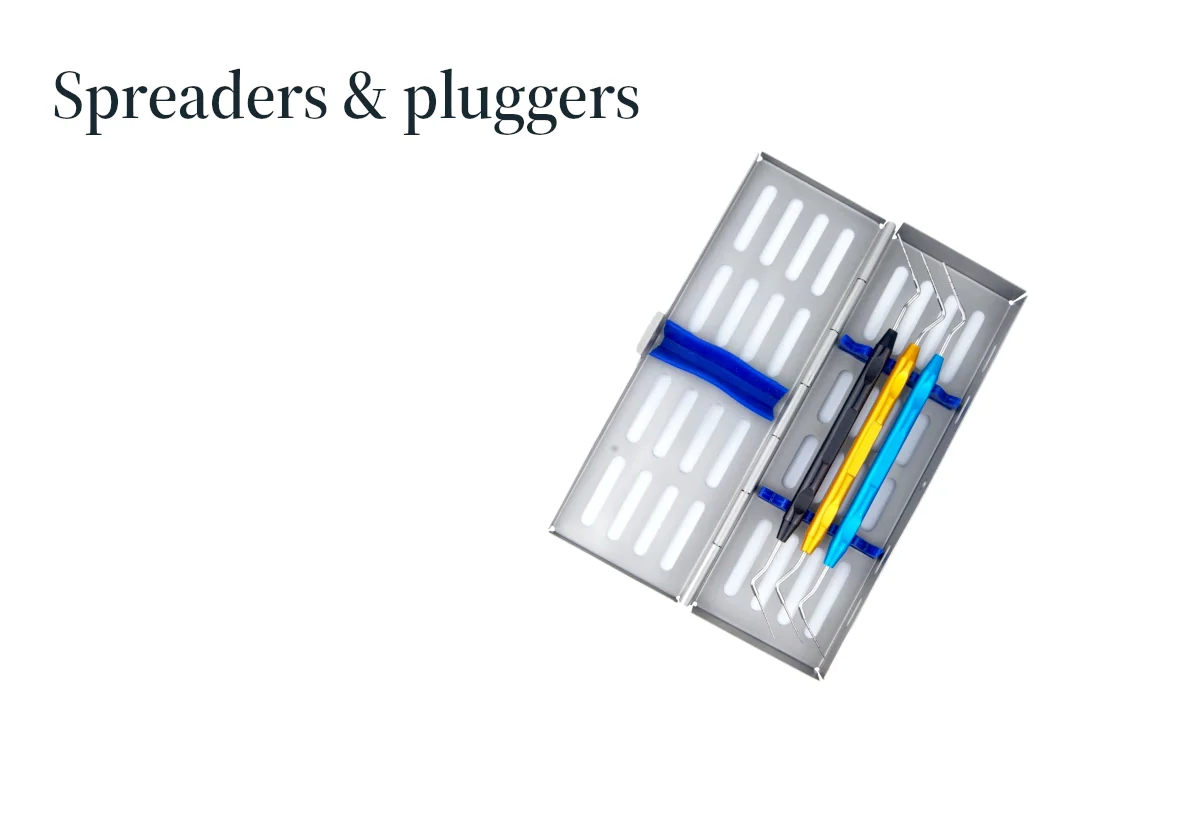
Endodontic Spreaders and Pluggers: Selection Guide
Endodontic spreaders vs pluggers for obturation: spreaders create lateral space for accessory cones in lateral compaction, pluggers compact gutta-percha vertically in warm techniques. How to select by technique, taper, depth, and canal curvature....
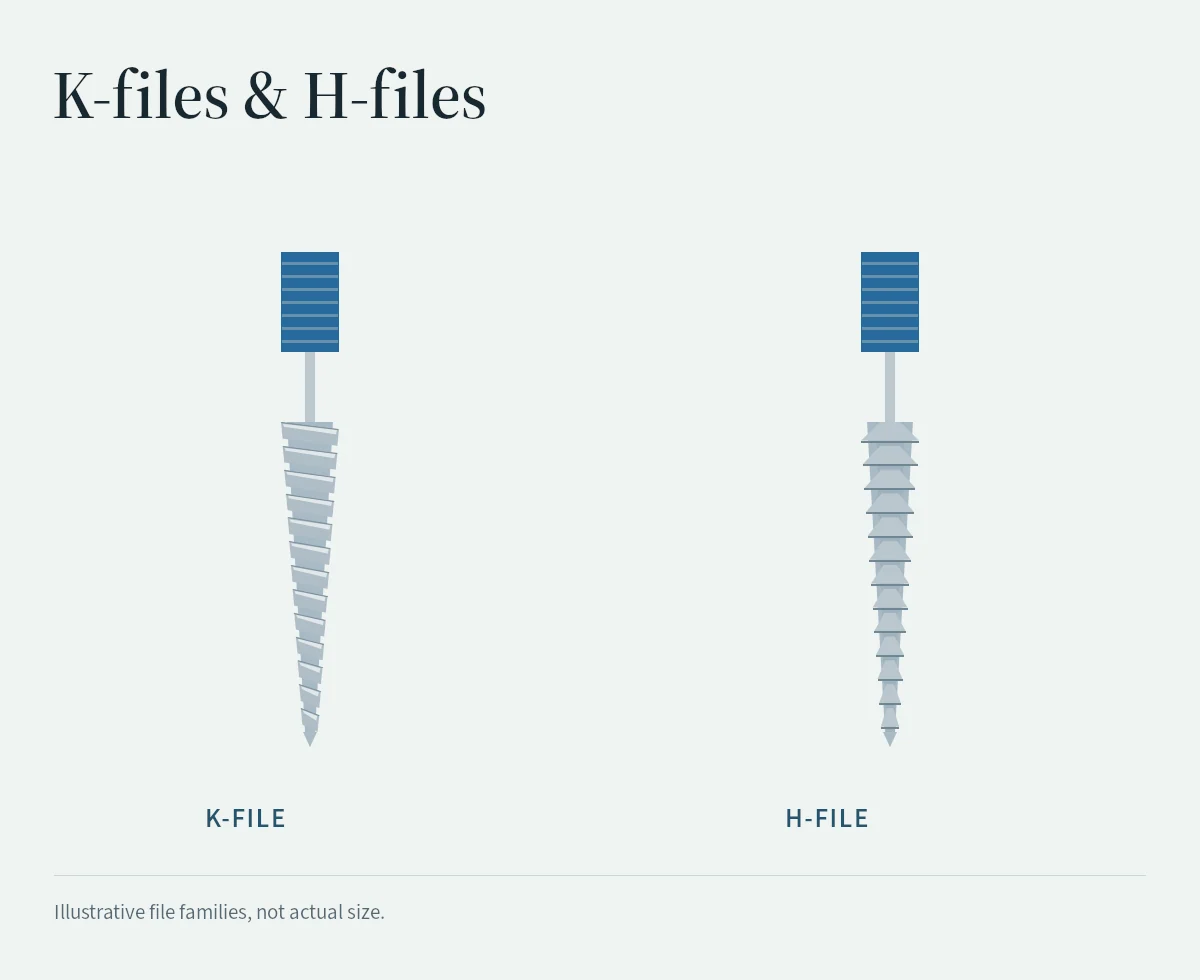
K-Files vs H-Files: Key Differences for Root Canal Treatment
K-files vs H-files compared for root canal treatment: how each is manufactured, cutting action, when to use K-files for negotiation and glide path, when to use H-files for pull-stroke cutting and retreatment, and how to select by anatomy....
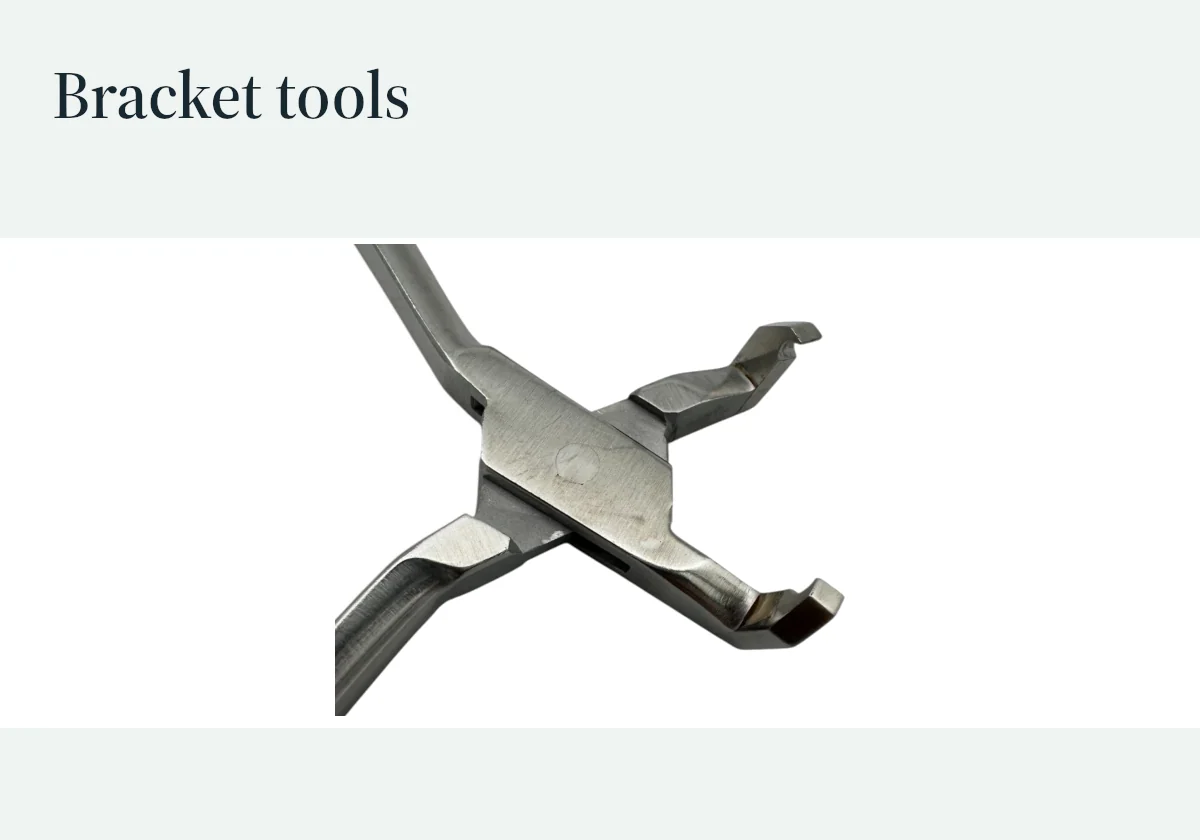
Bracket Placement and Removal Tools Guide
Orthodontic bracket placement and removal tools explained: holding tweezers, positioning gauges (Boone), pushers and flash removers for accurate bonding, plus debonding pliers and adhesive-removal burs that protect enamel....
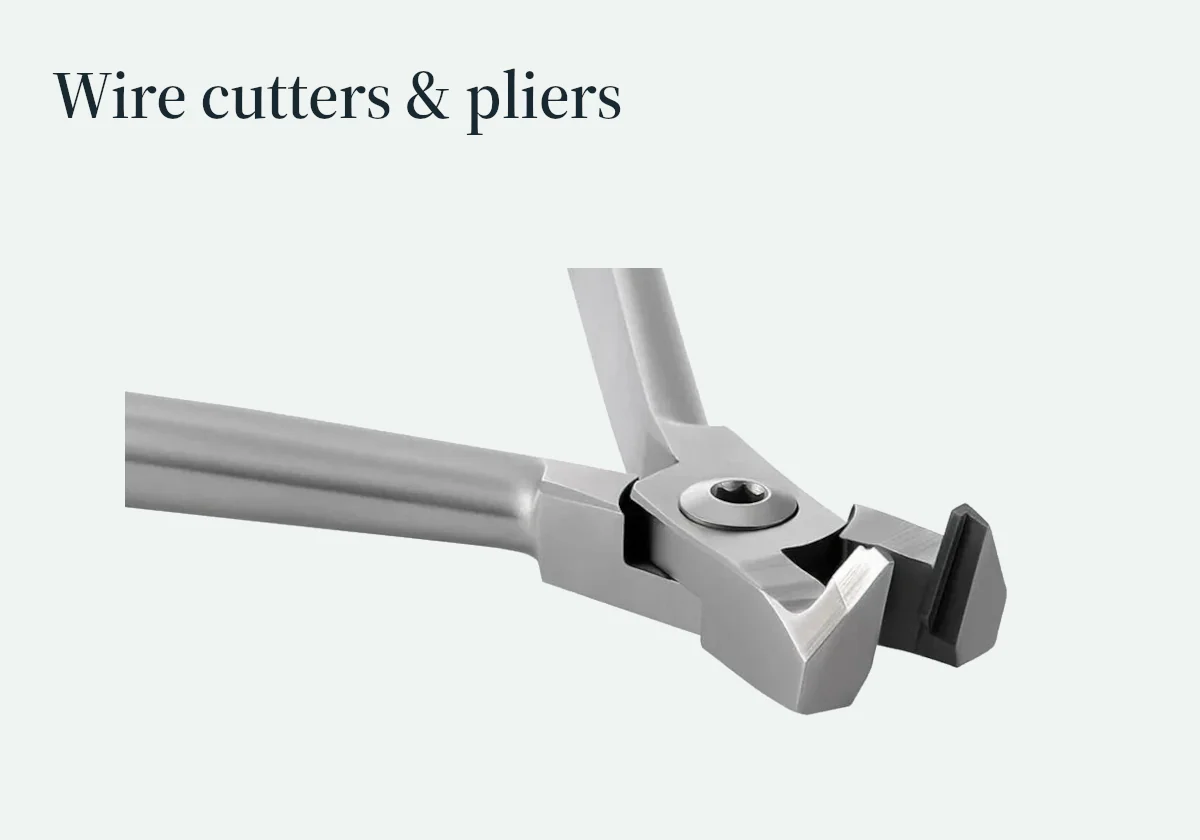
Orthodontic Wire Cutting and Bending Instruments Guide
How to choose orthodontic wire cutting and bending instruments: distal end, hard wire, and ligature cutters, bird beak, three-jaw, loop-forming, and torquing pliers, matched to wire size, alloy, and clinical task....
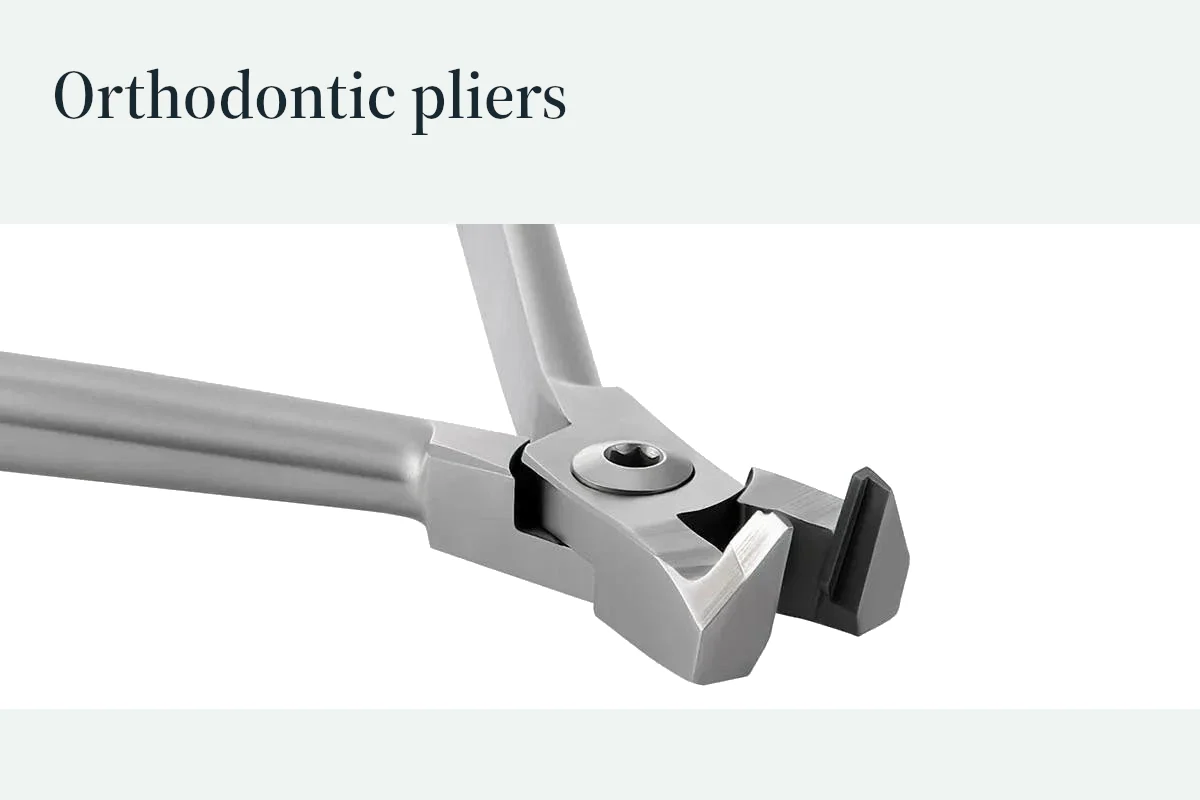
Essential Orthodontic Pliers Every Orthodontist Needs
The essential orthodontic pliers every practice needs — utility (Weingart, How, Mathieu), cutting (distal end, ligature, hard wire), bending and forming (bird beak, three-jaw, loop-forming, torquing), and removal pliers — with a selection reference....
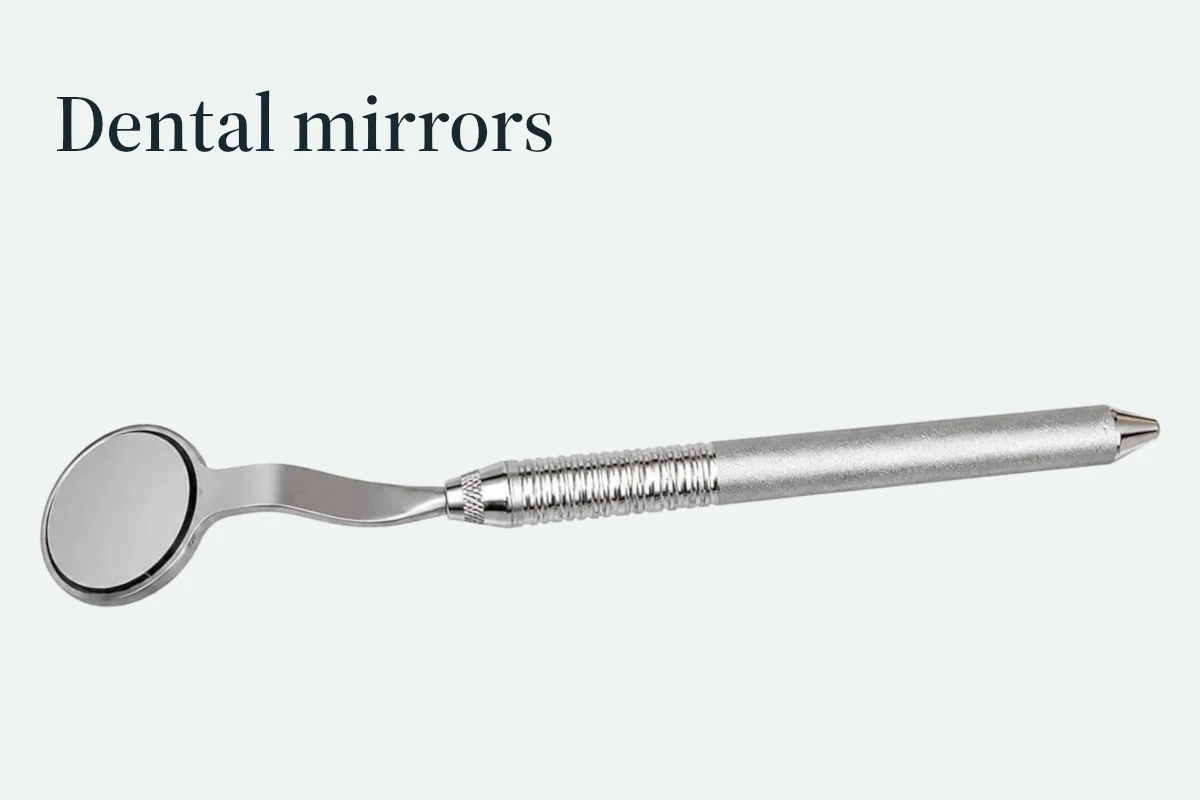
Types of Dental Mirrors and Their Clinical Uses
The main types of dental mirrors and when to use each: front surface, plane, concave, double-sided, disposable, illuminated, and photographic mirrors, plus sizes, handle systems, and sterilization....
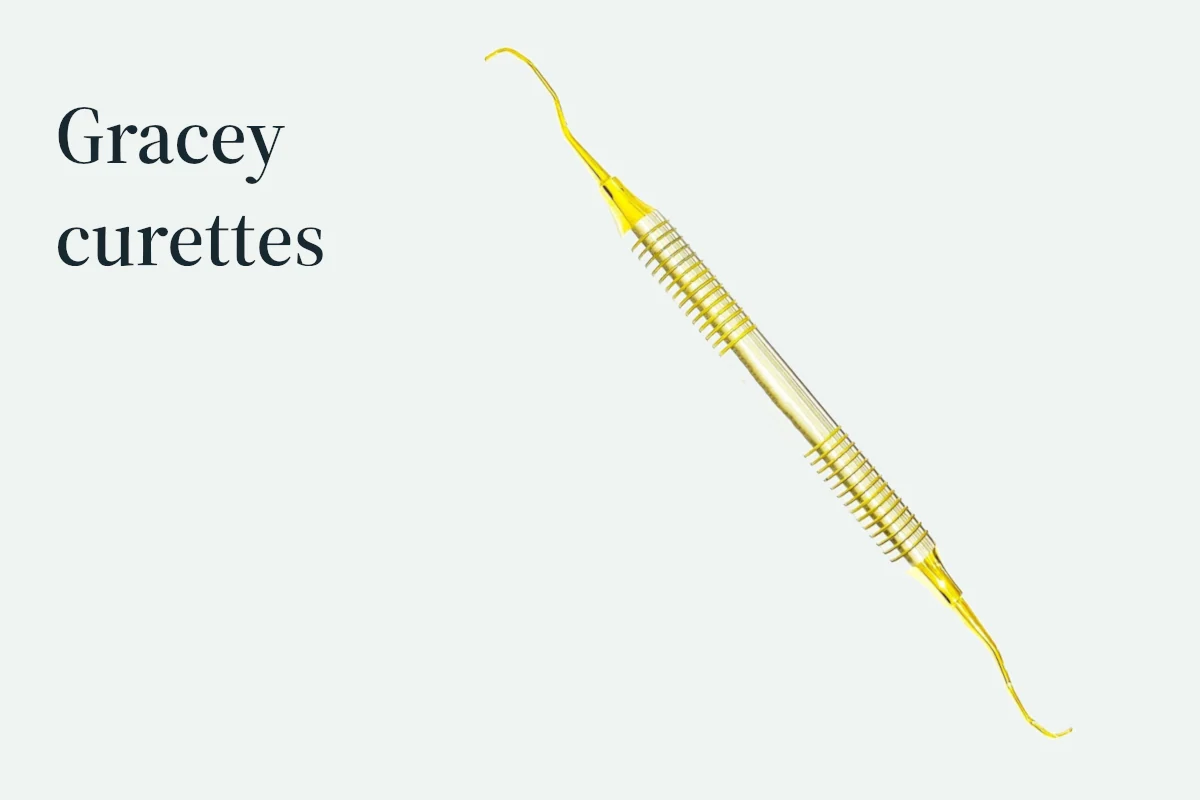
Gracey Curettes: Complete Numbering System & Clinical Usage
The Gracey curette numbering system explained: which numbered curette matches which tooth surface, how area-specific Gracey curettes differ from universal curettes, finishing vs rigid options, and correct use....
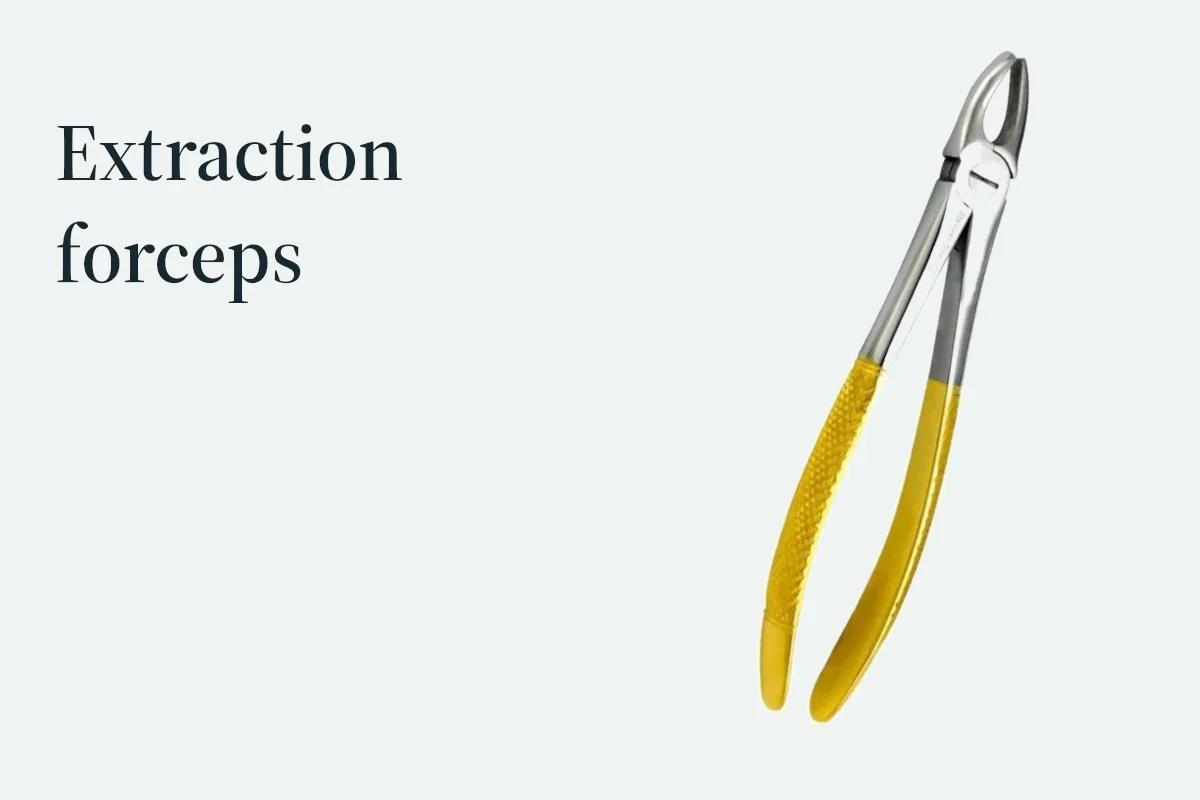
Types of Dental Extraction Forceps: Complete Visual Guide
A complete guide to dental extraction forceps: how patterns are classified, upper and lower forceps by number (#1, #150, #53, #151, #23), pediatric and specialty forceps, and how to choose the right pattern for each tooth....
Frequently asked questions
Where should I start if I know the instrument name but need help choosing a pattern?
Choose the blog topic for that instrument family, then open its selection article. For an unfamiliar name or a photograph, the instrument identification chart is a better starting point. Once the pattern is clear, use the matching product category to compare the available listings.
Which articles help with purchasing rather than instrument technique?
The Buying Guides topic covers practice inventory planning and comparing wholesale quotations. Manufacturing & Trust covers material and certification questions. These are useful before specifying an order; instrument-family topics help identify the patterns to put on that list.
Need Expert Guidance?
Contact our team for personalized instrument recommendations and manufacturer-direct pricing.
Request a Quote