Restorative Dental Instruments
Restorative dental instruments are selected by material-handling step: carry and place, condense, contour, carve, burnish, finish, or prepare. Compare the working end, dimensions, angle, handle, and verified surface finish. Clinics, schools, and distributors can request individual instruments, defined restorative sets, approved samples, packaging, private-label marking, and manufacturer-direct pricing.
Restorative Dental Instruments Products
Compare current instruments in this category, including available variations, specifications, and quote options.
Amalgam Carrier
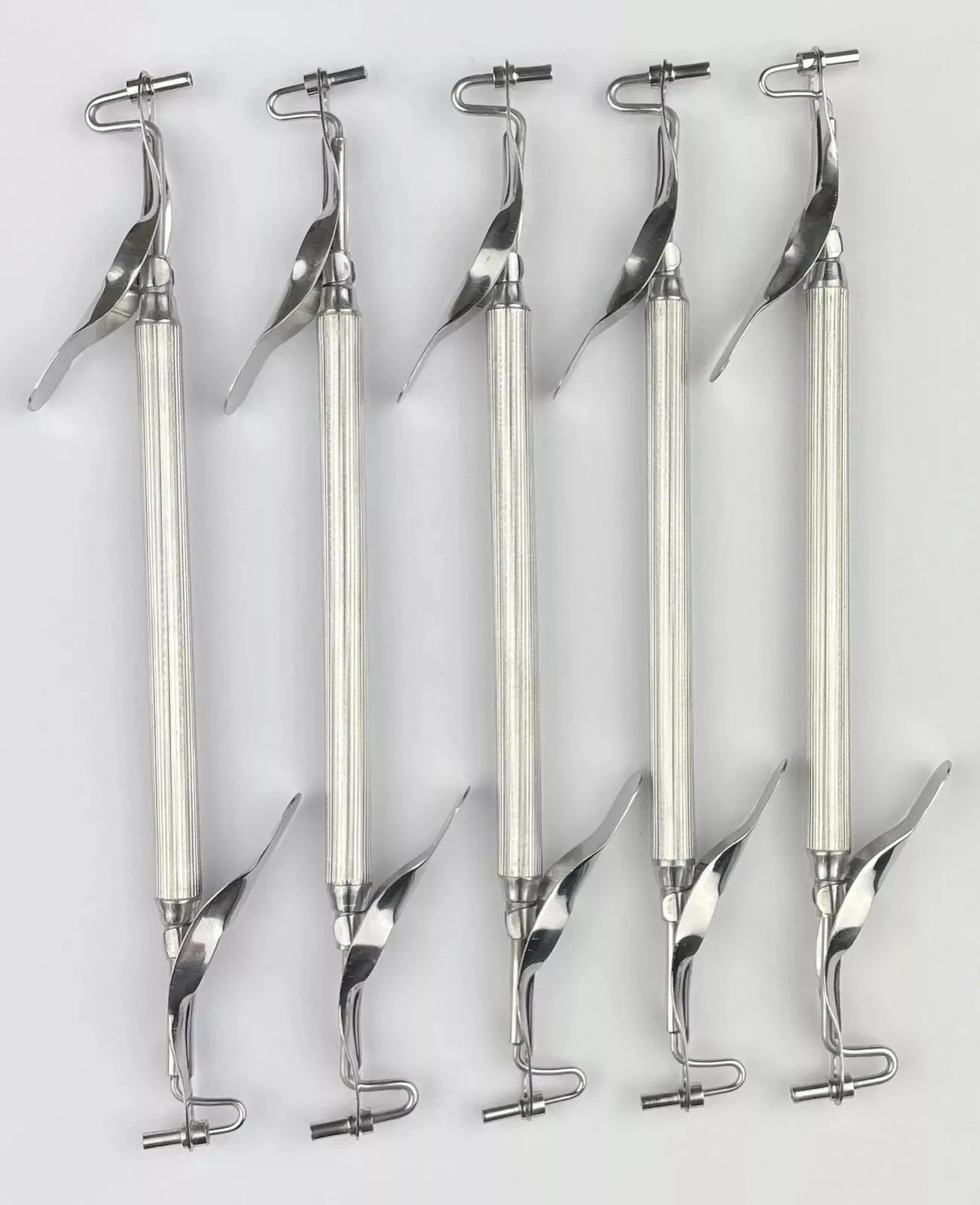
We manufacture a single-ended amalgam carrier for measured material delivery, with a double-barrel version available for higher-volume multi-surface placements and a non-stick barrel coating. Tell us your preferred configuration and quantity when requesting a quote.
Amalgam Instruments
We manufacture carriers, condensers, carvers, and burnishers covering the full amalgam restorative sequence — placing, condensing, carving, and finishing — across 33 active variations. Tell us which step and pattern you need when requesting a quote.
Composite Filling Instrument
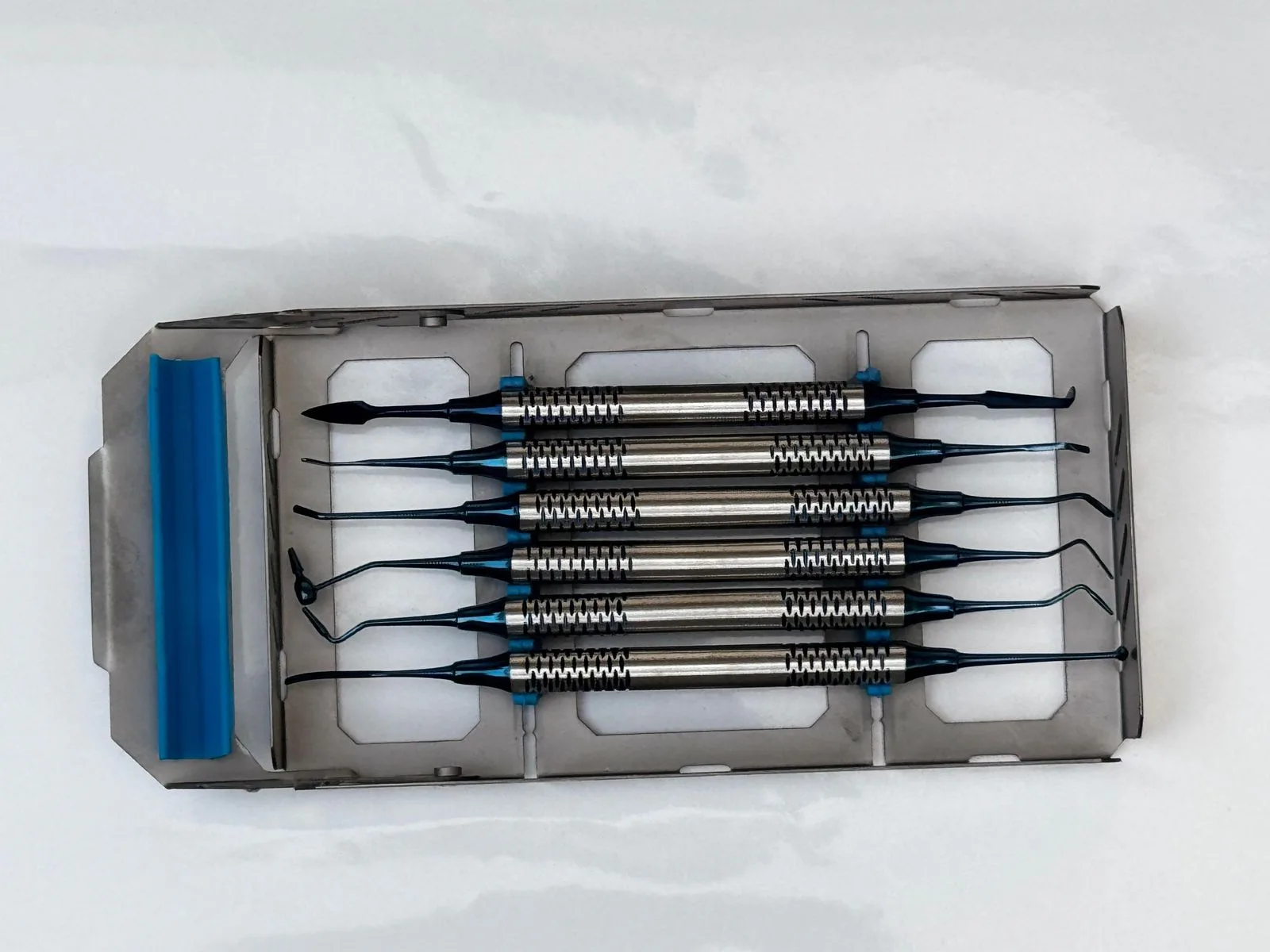
We manufacture a double-ended composite placement instrument with a ball-shaped condenser end and a flat contouring blade end, with a titanium-nitride or anodized non-stick coating available. Tell us your coating preference, figure, and quantity when requesting a quote.
Dental Burnisher Patterns
We manufacture 18, 26/27S, 27/29, No. 2, and 2/29 ball, acorn, beavertail, and football burnishers, each a different rounded working-end form selected by shape and dimensions. Tell us the pattern and working-end dimensions you need when requesting a quote.
Dental Cavity Preparation Instruments
We manufacture hatchets, gingival margin trimmers, and angle formers for cavity preparation, with blade orientation set parallel or perpendicular to the handle depending on the instrument. Tell us the instrument type and figure you need when requesting a quote.
Dental Condenser & Plugger Patterns
We manufacture Black, Marquette, Markley, Tanner, and back-action restorative condensers and pluggers, distinguished mainly by end diameter and surface texture. Tell us the pattern, both end diameters, and surface type you need when requesting a quote.
Dental Filling Placement Instruments
We manufacture flat plastic, Woodson, IPC, Dycal applicator, and composite-placement dental filling instruments with flat, paddle, rounded, or fine angled working ends. Tell us the pattern, working-end dimensions, and any coating requirement when requesting a quote.
Dental Wax and Modelling Carvers
We manufacture Beale, Gritman, Hylin, and Le Cron dental wax and modelling carvers for laboratory crown-and-bridge work, each combining two working-end forms on one handle. Tell us the pattern, working-end forms, and dimensions you need when requesting a quote.
Restorative Dental Instruments Buying Specifications
| Specification | Details |
|---|---|
| Placement | Composite and filling instruments, flat plastics, carriers, and applicators by working-end form |
| Condensing | Condensers and pluggers by tip diameter, shape, angle, end configuration, and handle |
| Contouring and finishing | Carvers and burnishers by named pattern, ball or blade geometry, and dimensions |
| Preparation | Cavity-preparation instruments by pattern, cutting end, size, shank, and handle |
| Order details | Product family, figure, working-end dimensions, handle, finish, quantity, packaging, and destination |
How to Choose Restorative Dental Instruments
Choose the Instrument by the Material-Handling Step
A restorative tray moves through several distinct tasks. Carriers transfer material. Placement instruments position and shape it. Condensers and pluggers compact it. Carvers define contours and anatomy. Burnishers smooth or adapt a surface. Cavity-preparation instruments form another group with their own cutting ends. Organizing the collection this way helps a buyer reach the correct product before comparing pattern names.
The same product name can cover several working ends, so the order must include the pattern or figure and dimensions. A request for a “filling instrument” should be clarified as composite placement, flat plastic, Dycal-type applicator, IPC-type pattern, amalgam carrier, condenser, burnisher, or carver only when that exact family is required and stocked.
- Carry and place — Compare carrier mechanism or placement blade, working-end width, angle, coating where verified, and handle.
- Condense and plug — Record tip diameter, round or shaped end, angle, single/double-ended form, and handle.
- Carve and contour — Use the named pattern, blade shape, side, size, and handle rather than a generic carver label.
- Burnish and finish — Compare ball, acorn, football, beavertail, or other stocked geometry by exact dimensions.
Restorative and Endodontic Pluggers Need Separate Identities
The word “plugger” is used for restorative and endodontic instruments, but their working ends, dimensions, and instrument families differ. Compare restorative condensers and pluggers within the material-placement workflow, and endodontic spreaders and pluggers within the obturation workflow.
If a buyer sends an existing reference, match the full product identity and measurements rather than selecting whichever page contains the same word. The confirmed family and specifications should control the match.
Compare Shape, Size, Angle, and Surface
A close-up view of each working end should support the product name. Record ball or tip diameter, blade width and length, curvature, shank angle, single- or double-ended design, and handle. When a coating or non-stick surface is available, identify it at variation level and link the relevant evidence. Do not turn a finish used on one product into a claim for the entire category.
For hinged carriers, include the delivery tip, mechanism, action, overall length, and replacement or cleaning considerations. For hand instruments, show both ends separately when they differ. Buyers comparing a mixed private-label range need enough information to repeat the same geometry after the first order.
Build a Restorative Set from Named Products
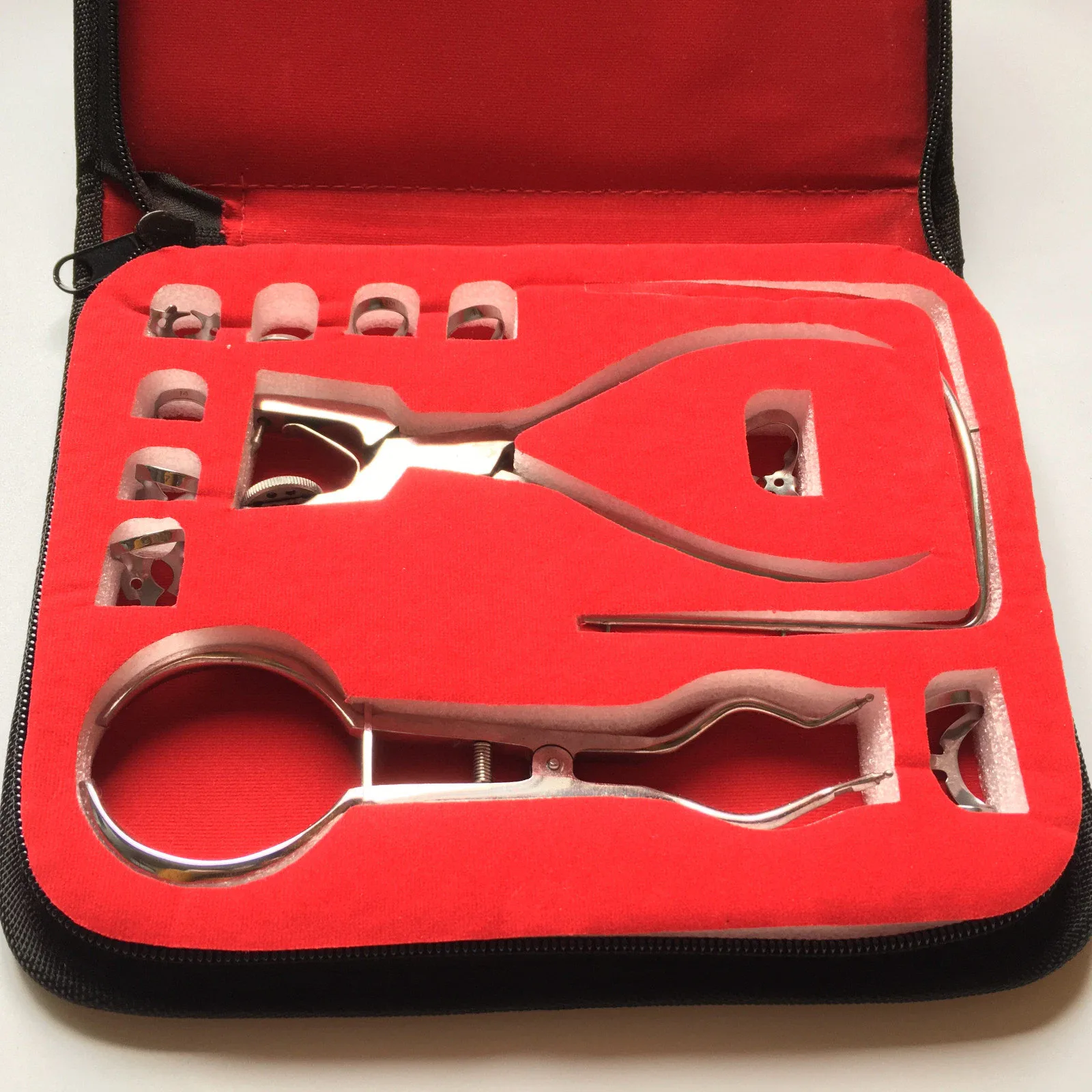
A general restorative set may combine examination, placement, condensing, carving, burnishing, and finishing instruments, but its contents should never be inferred from the phrase “restorative kit.” Send the exact patterns, quantities, handles, and cassette requirement. A school list should remain attached to the quotation and approved sample schedule.
Individual products are better for replacements and specialist patterns. A grouped product with multiple variations is useful when comparing the same commercial family across working ends. Open the chosen product to confirm the exact variation, dimensions, and order data.
Quote and Evidence Checklist
For every line, provide the family, pattern or figure, working-end dimensions, single- or double-ended configuration, handle, verified finish or coating requirement, quantity, packaging, branding, and destination. If an approved sample controls the order, identify it clearly and retain the same reference for reorders.
Manufacturer-direct supply can include available material and finish declarations, quality information, product marking, packaging, and export documentation. Cleaning, inspection, packaging, and sterilization follow the exact instrument instructions and the healthcare facility protocol.
For a private-label range, specify which features belong on the instrument, primary pack, and outer carton. Keep finish or coating requirements tied to the exact variation. When a school or distributor approves a sample, its working-end measurements and handle should remain part of the controlled reorder specification.
A quotation can combine restorative families, but each one remains identifiable by task and geometry. Separate carriers, condensers, pluggers, burnishers, carvers, and cavity-preparation instruments into clear lines so quantities, working ends, finishes, and replacement needs can be reviewed independently.
What Can Be Confirmed Before You Order
We hold ISO 9001:2015 quality management certification, confirmed for the exact product range on request in your quotation enquiry.
Sialkot production workflow
Material selection, forming, heat treatment where required, grinding, finishing, inspection, marking, and export packing.
Material02Grade confirmed by SKU
Material and applicable steel grade are confirmed against the quoted pattern instead of applying one grade to every instrument family.
MOQ03Order-type minimums
Samples: 1-3 pieces per pattern; standard product orders: confirmed with your quote; mixed wholesale: 25 instruments (mixed patterns); OEM: 25 pieces per pattern.
Packaging04Protective and branded options
Individual pouches, procedure sets, cassettes, protective bulk cartons, product labels, and approved private-label packaging.
Export05Documented dispatch
Commercial invoice, packing list, protective outer packaging, and courier or freight tracking appropriate to the order.
Learn More About Restorative Instruments
Helpful guides related to this category, product selection, instrument names, and sterilization workflows.
Dental Instrument Names and Uses
A practical reference for dental instrument names, common uses, related categories, and buying cues for practices, students, and distributors.
Read GuideDental Instrument Materials and Stainless Steel Grades
Dental instrument materials explained: martensitic and austenitic stainless steel grades (AISI 410, 420, 420J2, 440), Rockwell hardness, corrosion resistance, forging, and passivation.
Read GuideDental Instrument Sterilization Guide
Step-by-step dental instrument sterilization guidance covering cleaning, inspection, packaging, autoclave cycles, monitoring, and storage.
Read GuideRestorative Dental Instruments FAQ
What is the difference between a condenser, plugger, burnisher, and carver?
Condensers and restorative pluggers compact material, burnishers smooth or adapt surfaces, and carvers shape contours. Exact working-end geometry and the product specification determine the instrument identity.
Are restorative pluggers the same as endodontic pluggers?
No. They belong to different workflows and must be compared by exact working-end dimensions, pattern, length, and intended instrument family.
Are coated composite instruments available?
Availability and coating type are product specific. Include the required product, working end, coating or finish, quantity, and evidence requirement for confirmation.
Can you quote a custom restorative instrument set?
Yes. Send a line-by-line list with patterns, dimensions, handles, quantities, cassette, marking, packaging, and destination.
Need Restorative Instruments in Bulk?
Send your instrument list and quantities for manufacturer-direct pricing, custom branding, or mixed-category quotes.