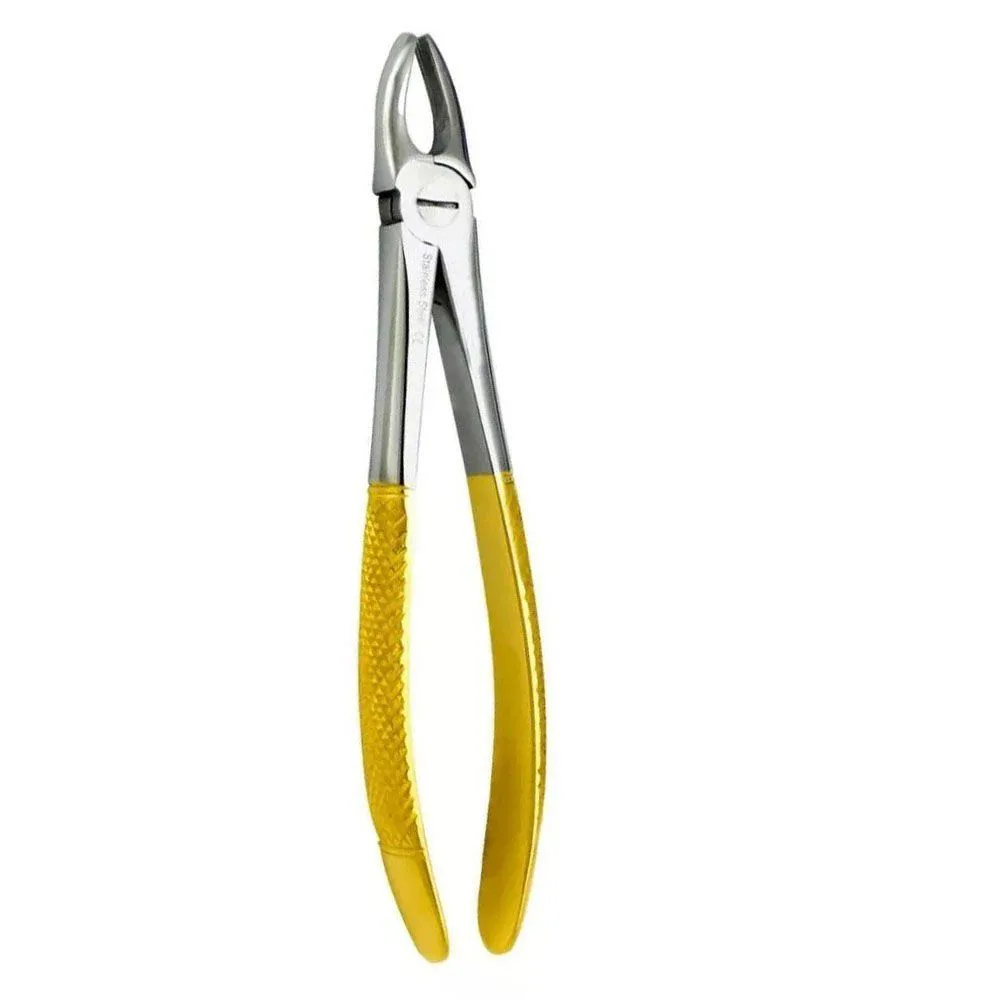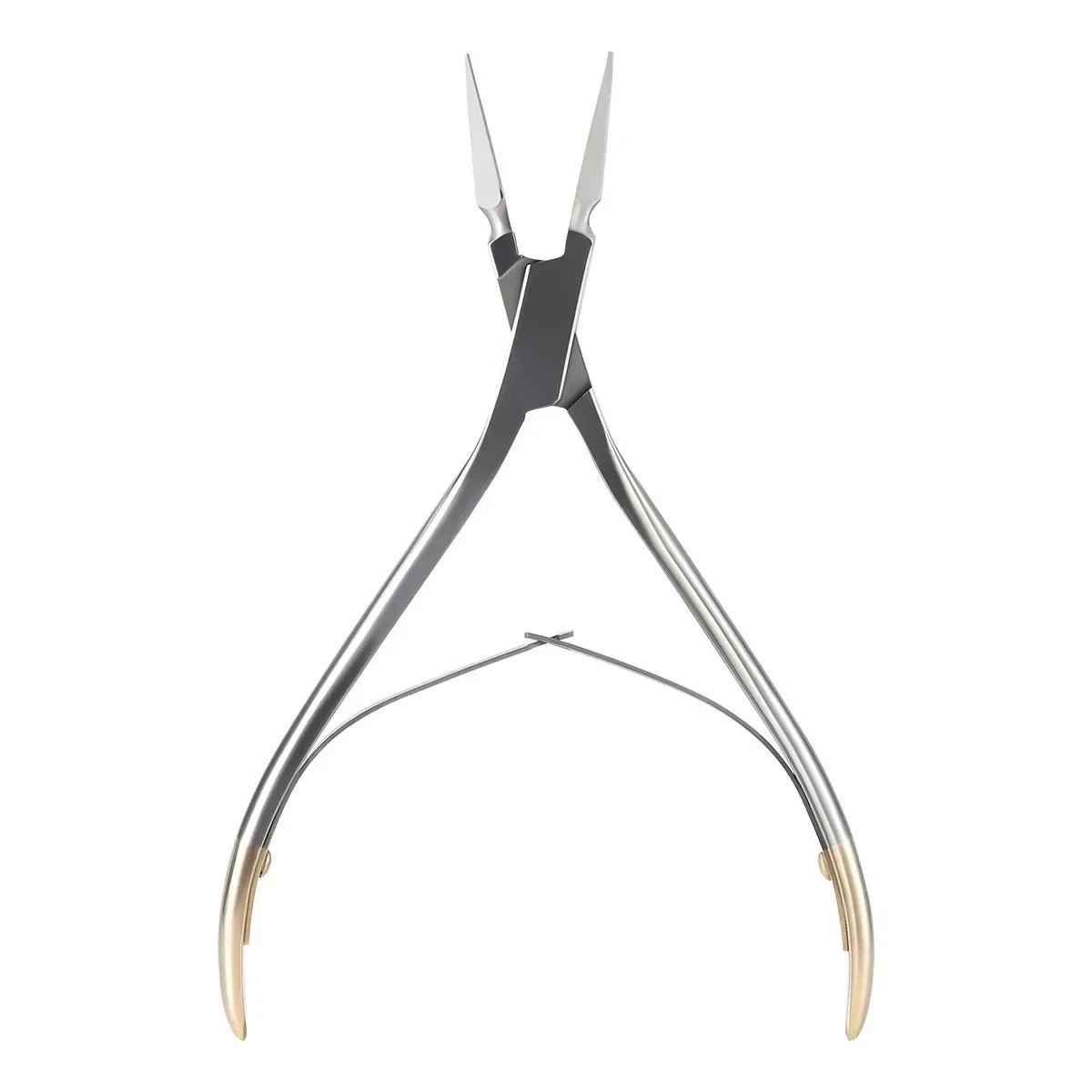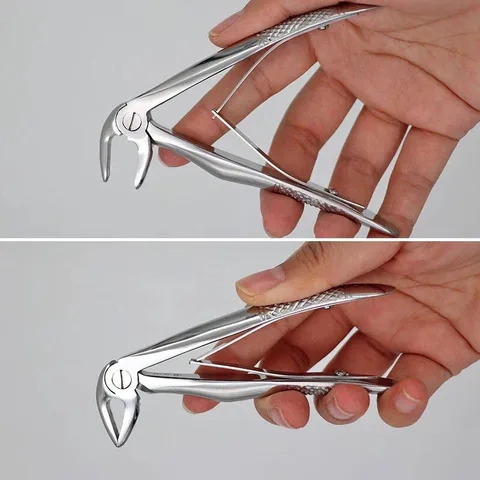
Extraction Forceps

Pediatric Extraction Forceps

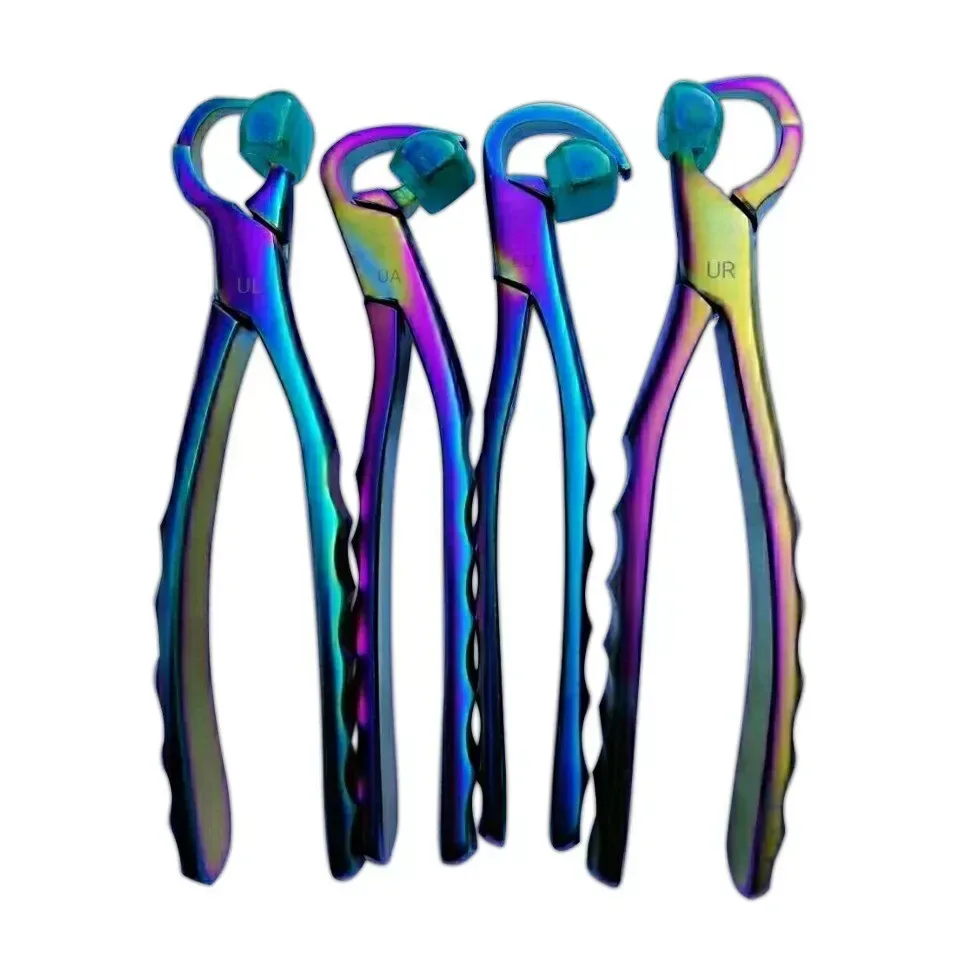
Pediatric extraction forceps with smaller beaks and handles for primary teeth, in five patterns: upper anterior, upper molar, lower anterior, lower molar (cowhorn) and roots. Order singly or as a set.

Select an option to see its details and include it in your quote.

Listed pricing
Single piece $12.00 · Set $80.00
In stock. Final price depends on the selected configuration and order requirements.
Choose an option5 available

Pick an option to add it to your quote request, or compare every option below.

Product code
DIS-PED-FOR-GRP
Material
Stainless steel; grade confirmed for the selected pattern
Finish
Satin or polished, confirmed in your quotation
Size
Pediatric proportions; varies by pattern
Options
5 available
MOQ
confirmed with your quote

Courier delivery. We ship through DHL, FedEx or another available courier, depending on your destination. We confirm the courier, shipping cost and estimated delivery time with your order. Shipping details

About Pediatric Extraction Forceps

Primary teeth are smaller than adult teeth and sit in a smaller mouth, so pediatric forceps have smaller beaks and shorter handles than adult patterns. That gives a better fit on the tooth and easier control in a child's mouth. We offer five pediatric patterns, sold singly or as a set.

The five patterns

  • Upper anterior / universal: for upper incisors and canines.
  • Upper molar: for upper primary molars.
  • Lower anterior / universal: for lower incisors and canines.
  • Lower molar / cowhorn: pointed beaks that engage the furcation of lower primary molars.
  • Root: fine beaks for retained roots and fragments.

Figure numbers differ between American and European systems. Tell us the figure you use, or describe the arch and tooth, and we confirm the matching pattern.

Single forceps or a set

Order individual patterns for replacements, or a set to equip a pediatric tray. We list a set price; tell us which patterns you need and we confirm the set contents in your quotation.

Ordering

  • Choose each pattern by product code, or send the figures you use now.
  • Evaluation samples of 1–3 pieces per pattern are available to check beak fit and handle size.

Care

Check beak alignment and joint action after each use. Follow the supplied processing instructions and your facility's validated protocol.

For adult teeth, see our English pattern extraction forceps. Our forceps numbering chart explains figure numbers.
Choose Your Pediatric Pattern, Then Your Quantity

Pediatric forceps have smaller beaks and shorter handles than adult patterns, which gives a better fit on primary teeth and easier control in a child's mouth. Use this guide to pick the pattern by product code, then tell us how many of each you need.

What to compare in the photo

When you replace an instrument, compare it with ours one part at a time. Photograph the beaks and shank of your current forceps from the front and from the side. Each view shows a different part of the contour and bend.

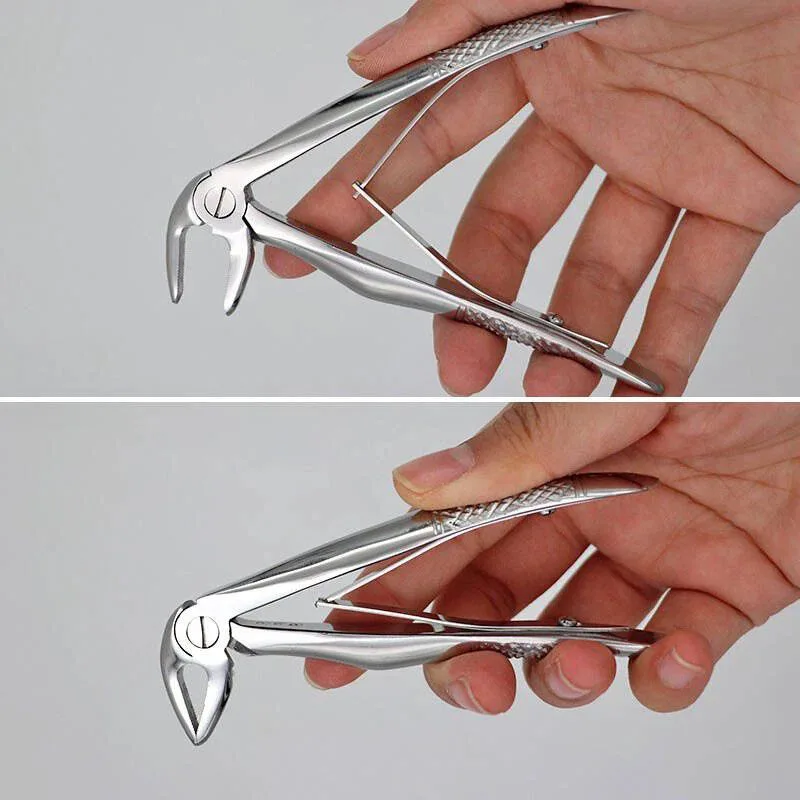
Pediatric spring-handle extraction forceps shown open above and closed below, beaks at left and handles at right

One spring-handle pediatric forceps shown twice, open in the top view and closed in the bottom view. The photo shows which parts to compare. It does not show which of the five codes or which arch is pictured.

  1. Beaks (left)

    Compare the beak contour from the front and from the side. This is the main way to tell one pattern from another.

  2. Shank

    The bend between the beaks and the joint helps separate upper patterns from lower patterns.

  3. Joint

    The pivot where the two halves meet. Check that it moves smoothly and that the beaks line up when closed.

  4. Handles and spring (right)

    The spring is part of the handle design. It does not tell you whether a pattern is upper or lower.

  5. Open and closed views

    Both views show the same instrument, not a pair.

Choose a pattern by code

Each of the five patterns has its own product code. If you already use a figure number, send it with the maker's name. We confirm the matching pattern for you, because numbers do not carry over directly between the American and European systems.

Pediatric extraction forceps patterns by product code
Product codeArchPatternWorking form
DIS-PED-FOR-GRP-UP-ANTUpperAnterior / universalFor upper incisors and canines
DIS-PED-FOR-GRP-UP-MOLUpperMolarFor upper primary molars
DIS-PED-FOR-GRP-LOW-ANTLowerAnterior / universalFor lower incisors and canines
DIS-PED-FOR-GRP-LOW-MOLLowerMolar / cowhornPointed beaks that engage the furcation of lower primary molars
DIS-PED-FOR-GRP-ROOTArch to be confirmed from your current reference or photosRootFine beaks for retained roots and fragments

Order a single pattern or a set

You build a set from the patterns you request. The five patterns listed here are the choices available. They are not a fixed five-piece pack. Your quotation confirms the set contents and packaging alongside the listed pricing. To check beak fit and handle size first, ask for evaluation samples of 1–3 pieces per pattern.

  1. Single pattern

    Example: DIS-PED-FOR-GRP-LOW-MOL, Lower Molar / Cowhorn Pediatric, quantity 3, satin finish. Add your current figure and maker if you have them, plus front and side photos of the beaks and shank.

  2. Configurable set

    Example: two each of DIS-PED-FOR-GRP-UP-ANT, DIS-PED-FOR-GRP-LOW-ANT and DIS-PED-FOR-GRP-LOW-MOL, plus one DIS-PED-FOR-GRP-ROOT. Give each code its own quantity so we can itemize every instrument in the set in the quotation.

Available Options

Compare the product code and attributes before requesting a quote. Choose an exact option whenever you are matching an existing order.

5 options
OptionProduct codeAttributesPricingRequest quote
Upper Anterior / Universal PediatricDIS-PED-FOR-GRP-UP-ANTPattern or Configuration: Upper Anterior / Universal Pediatric$11.00–$18.00Select for Quote
Upper Molar PediatricDIS-PED-FOR-GRP-UP-MOLPattern or Configuration: Upper Molar Pediatric$11.00–$18.00Select for Quote
Lower Anterior / Universal PediatricDIS-PED-FOR-GRP-LOW-ANTPattern or Configuration: Lower Anterior / Universal Pediatric$11.00–$18.00Select for Quote
Lower Molar / Cowhorn PediatricDIS-PED-FOR-GRP-LOW-MOLPattern or Configuration: Lower Molar / Cowhorn Pediatric$11.00–$18.00Select for Quote
Pediatric Root PatternDIS-PED-FOR-GRP-ROOTPattern or Configuration: Pediatric Root Pattern$11.00–$18.00Select for Quote
Have experience with Pediatric Extraction Forceps?Share verified buyer or evaluator feedback. It takes about a minute.

Pediatric Extraction Forceps Questions

What distinguishes pediatric extraction forceps from an adult forceps range?

Manufacturers distinguish pediatric forceps from adult versions through smaller designs and dedicated beak patterns. Within a pediatric range, beak shape, shank form and the full pattern reference identify different instruments, so the pediatric designation alone does not tell you which pattern is being ordered.

Does a spring handle identify an upper or lower forceps pattern?

No. The spring is a handle-construction feature, while upper or lower pattern identification concerns the working beaks, the shank form and the instrument's specific designation. Compare those attributes separately instead of using the presence of a spring to select an arch pattern.

Are pediatric forceps figure numbers identical across manufacturers?

No. A figure number should be read with its manufacturer's designation and working-end form, and published listings can attach different descriptions to the same number, so a number alone is an incomplete replacement reference. Use the full reference and compare the beak contour and the shank bend.

Which details are useful when matching a pediatric forceps replacement?

Retain the original figure or reference, its arch and pattern designation, and views of the working beaks and shank, because front and side views reveal different parts of the contour and bend. Together those details describe the required instrument more precisely than a family label such as pediatric or universal.

How does a pediatric forceps assortment differ from a range of available patterns?

A range lists the patterns available, while an assortment specifies which references are included and how many of each; those are separate purchasing facts. Compare an itemized instrument list when you evaluate kits, because the number of patterns displayed does not by itself define the package.

WhatsApp