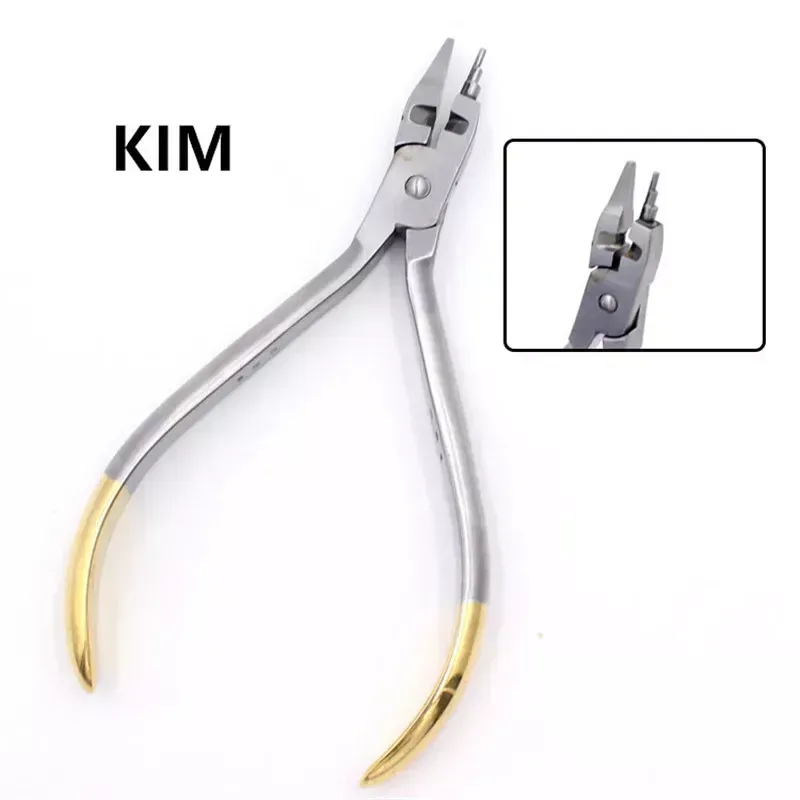
About Kim Loop-Forming Pliers with Cutter
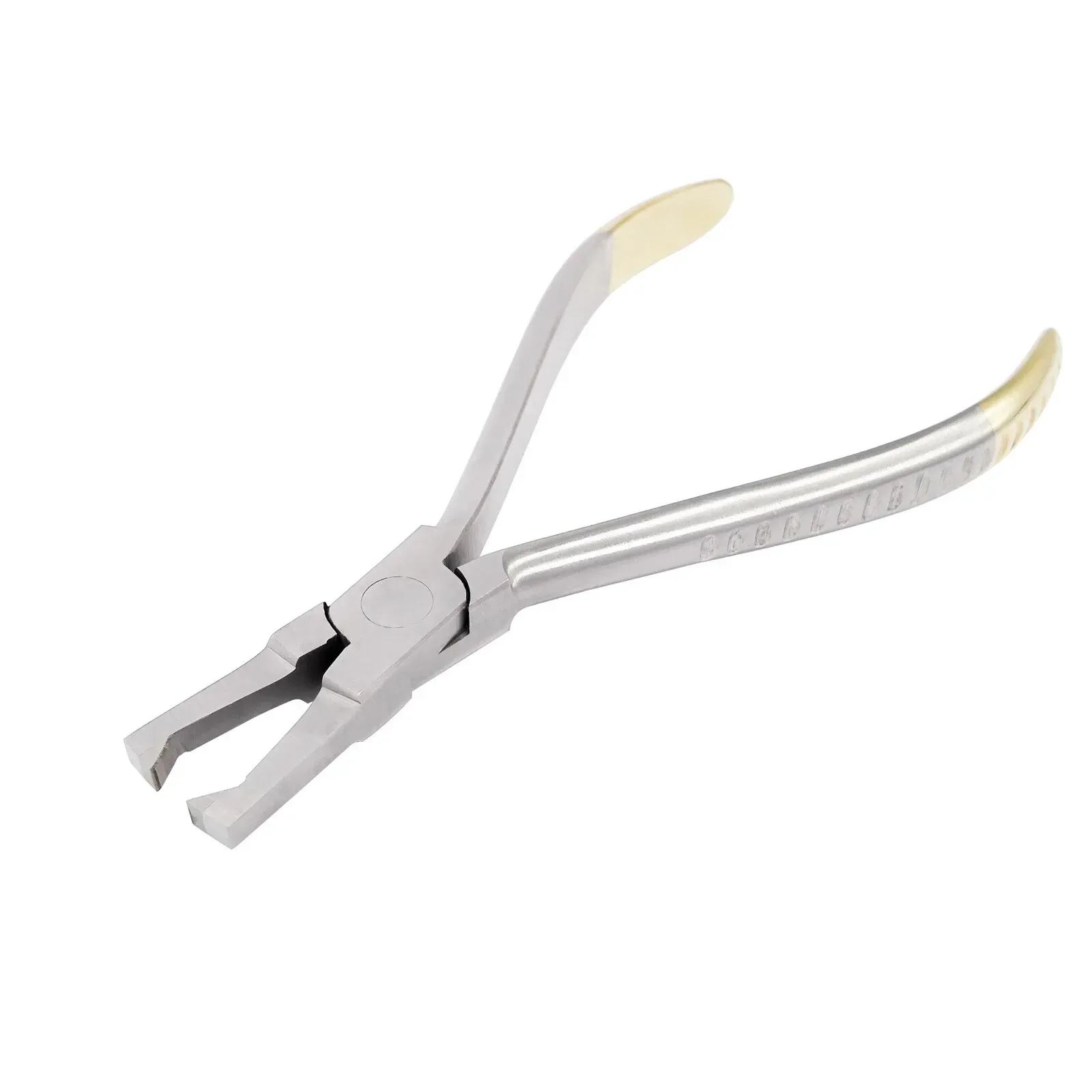
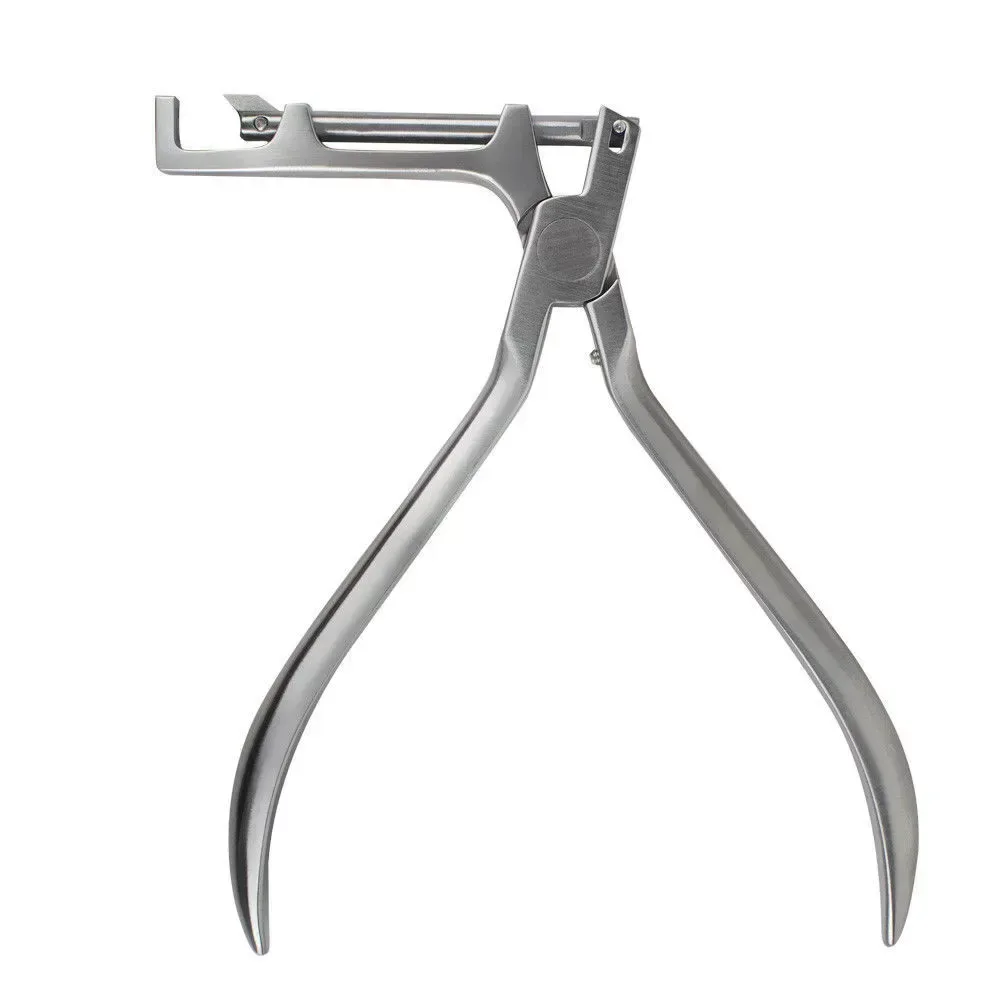
Kim loop-forming pliers combine a stepped cylindrical beak with an opposing flat-sided beak and an integrated cutter. This orthodontic pattern is associated with forming multi-loop edgewise archwires. We offer this instrument individually as DIS-ORTHO-KIM-CUT, without archwires or a separate cutting tool.
Loop-forming and cutting features in one instrument
The stepped beak provides different forming positions, while the cutting feature sits closer to the joint. These are parts of one complete plier. One plier with an integrated working head is supplied; no separate interchangeable tip is included.
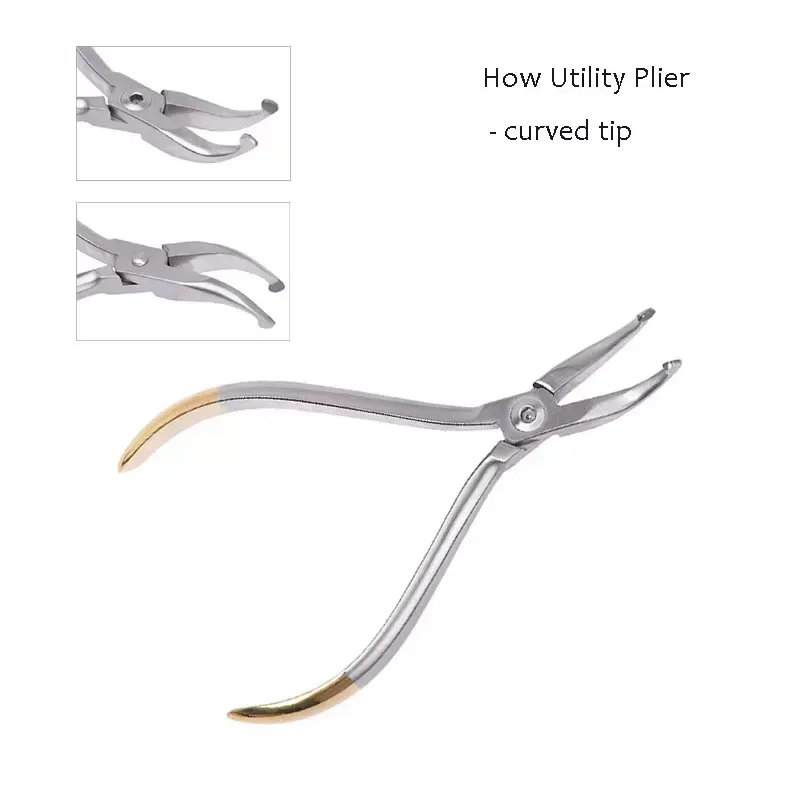
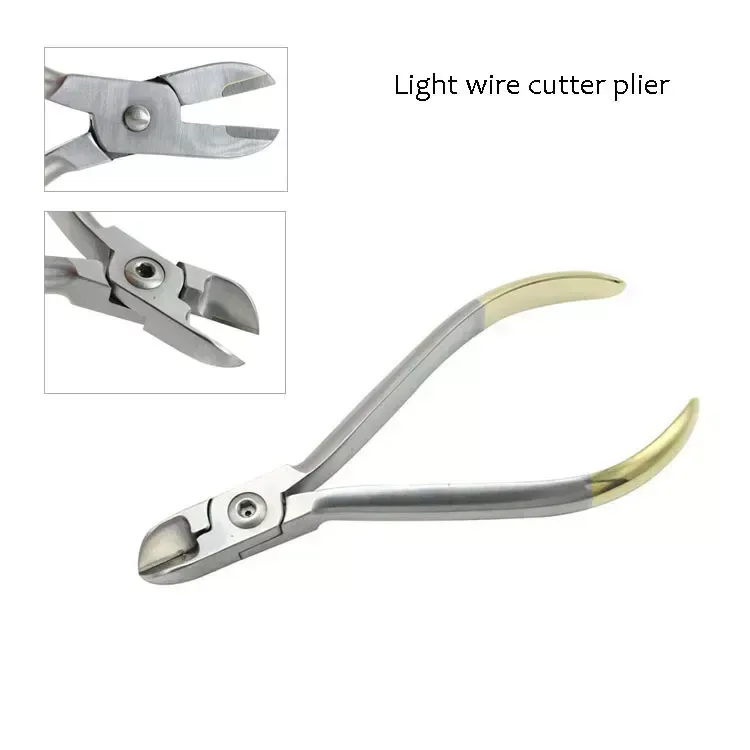
Kim-pattern pliers are a different selection from broad flat-jaw ribbon-arch pliers and a dedicated fine-ligature cutter. Buyers compiling an orthodontic set should specify the function and head geometry of each instrument, rather than ordering several pliers solely by their overall length or handle finish.
Specify bending and cutting requirements separately
For a matched quotation, identify the wire material, cross-section and dimensions. State which wires will be formed and which will be cut: the presence of a cutter does not mean its cutting capacity equals the forming capacity. A rating for one manufacturer’s Kim plier cannot establish the rating for another supplied model.
Include the required step dimensions, working-head length and overall instrument length when ordering to a drawing or replacing an existing tool. Confirm step diameters and wire capacities for the quoted model. Gold-coloured handle ends identify the visible finish only; they are not proof of tungsten-carbide inserts or a particular hardness.
Order details and supplied-model instructions
Use DIS-ORTHO-KIM-CUT with the number of pliers, destination and any inspection or packaging requirements. The order unit contains no wire, rack, torquing key or spare jaw. Keep the approved working-head reference with your purchase specification for subsequent orders.
Multi-loop edgewise archwire is often abbreviated MEAW in instrument terminology. That term identifies the pattern’s context, not a treatment recommendation. Before professional use, obtain the delivered-model instructions for permitted wire types, inspection, cutter and joint maintenance, cleaning and reprocessing. Follow the supplied-model instructions and your facility protocol for use and reprocessing.
Measurement research and instruction references
These sources describe other manufacturers’ reference models. They do not establish the manufacturer, exact dimensions, compatibility or validated instructions for the instrument we supply. Use the supplied model’s drawing and IFU for those details.
- www.dtchz.com: product reference — Manufacturer description of Kim-pattern multi-loop edgewise forming with a cutter; its hardness, material, hinge promises and model code are not transferred. Reviewed 2026-09-12.